How to Analyze Apple's Q2 2026 Earnings Report: Key Metrics and Trends
Introduction
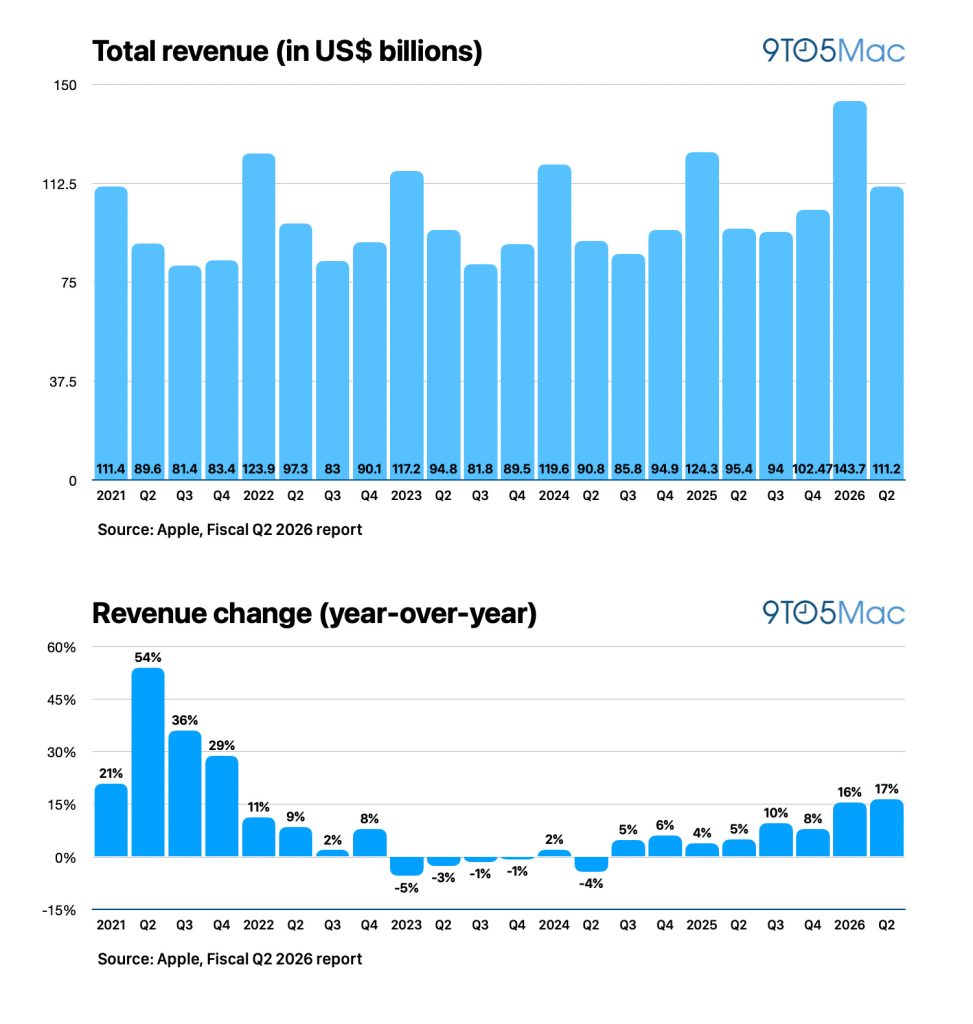
Apple recently released its earnings report for the second fiscal quarter of 2026, posting impressive numbers: $111.2 billion in revenue, $29.58 billion in net profit, and earnings per share (EPS) of $2.01. Revenue grew 17% year over year, signaling strong performance across product lines and services. This guide will walk you through the essential steps to dissect and understand such an earnings report, whether you're an investor, analyst, or curious observer. By the end, you'll be able to interpret the key figures, compare them with past performance, and draw meaningful conclusions about Apple's financial health.

What You Need
- Access to Apple’s official earnings release (available on the Apple Investor Relations page)
- Basic understanding of financial terms (revenue, net profit, EPS)
- A spreadsheet or calculator for quick comparisons (optional)
- Pen and paper for note-taking (or a digital note app)
- Historical earnings data for context (previous quarters or same quarter last year)
Step-by-Step Guide
Step 1: Understand the Headline Numbers
Start by examining the three most important figures: revenue, net profit, and earnings per share (EPS). For Q2 2026, Apple reported revenue of $111.2 billion, net profit of $29.58 billion, and EPS of $2.01. Revenue represents the total money Apple earned from sales of products and services. Net profit is what remains after all expenses, taxes, and costs. EPS shows how much profit is attributable to each share of common stock. These three numbers give you a quick snapshot of the company’s financial performance for the quarter.
Step 2: Compare Year-Over-Year and Sequential Performance
The 17% revenue growth is a key highlight. To fully appreciate it, compare these numbers with the same quarter last year (Q2 2025) and the previous quarter (Q1 2026). For example, if Q2 2025 revenue was $95 billion, the 17% increase is significant. Also, check sequential trends—did revenue grow from Q1 2026? Apple often sees seasonal fluctuations, with the holiday quarter (Q1) being the strongest. Look for consistency and accelerating growth. Non-GAAP adjusted figures may also be provided; use them for a clearer apples-to-apples comparison.
Step 3: Dive Into Revenue Breakdown by Segment
Apple’s earnings report typically breaks revenue into product categories: iPhone, iPad, Mac, Wearables (Home and Accessories), and Services. While the original data doesn't specify individual segment numbers, you can look for such details in the full release. For Q2 2026, pay attention to Services revenue, which often grows faster than hardware. iPhone remains the largest segment but may show slower growth. Use the segment data to identify which areas are driving overall performance. Services, including App Store, Apple Music, iCloud, and AppleCare, contribute high-margin recurring revenue.
Step 4: Assess Profitability and Margins
Net profit of $29.58 billion is impressive, but you should calculate the net profit margin: divide net profit by revenue ($29.58B / $111.2B ≈ 26.6%). Compare this margin with historical averages—Apple typically maintains margins around 20-25%. Also, look for gross margin, operating margin, and any one-time items (e.g., restructuring charges, tax benefits). Higher margins indicate efficient cost management and pricing power. Apple often provides guidance on expected margins for the next quarter, which can signal future profitability trends.
Step 5: Examine Management Commentary and Forward Guidance
Earnings reports include a press release with quotes from Tim Cook and Luca Maestri, as well as a conference call transcript. Read management’s remarks about demand, supply chain, new products, and geographic performance. For Q2 2026, listen for commentary on iPhone sales in emerging markets, Services growth drivers, and AI initiatives. Forward guidance for Q3 2026 revenue and EPS is crucial; Apple typically provides a range. Compare guidance with analyst consensus estimates to gauge whether the company is optimistic or cautious. This context helps you interpret the headline numbers and makes your analysis more complete.
Tips for Deeper Analysis
- Chart the data: Visualize revenue and EPS trends over several quarters to spot patterns. Bar charts or line graphs make year-over-year comparisons easy. The original report included charts—replicate them if possible.
- Check the balance sheet and cash flow: Earnings reports also include balance sheet highlights (cash, debt) and operating cash flow. Apple’s massive cash pile and buyback programs are important for shareholder returns.
- Compare with analyst estimates: Before the report, analysts published consensus estimates for revenue and EPS. Did Apple beat, meet, or miss? Beats often trigger stock price increases. For Q2 2026, if EPS of $2.01 exceeded estimates, that's a positive signal.
- Look for regional performance: Apple reports revenue by region (Americas, Europe, Greater China, Japan, Rest of Asia Pacific). Strong growth in Greater China or India can offset weakness elsewhere.
- Monitor product cycle effects: New product launches (e.g., iPhone 18 series) can boost quarters. Q2 2026 may benefit from the iPhone refresh cycle. Check if Services growth accelerated as the installed base expands.
- Use the 10-Q filing: For even more detail, read Apple’s quarterly report on Form 10-Q filed with the SEC. It includes footnotes, risk factors, and management discussion.
By following these steps, you can transform a dense earnings press release into actionable insights. Whether you're an investor deciding to hold Apple stock or a student learning financial analysis, understanding quarterly results is a valuable skill. Remember to always compare with historical data and industry peers for the full picture. Happy analyzing!