Motorola Razr (2026) Lineup: Familiar Looks, Higher Costs – A Closer Look
Introduction
Motorola’s latest flip phone lineup, the Razr (2026) series, has arrived with a familiar silhouette that might leave you wondering if anything actually changed. While the design remains nearly identical to its predecessors, the price tags have inched upward. This article dives into what’s new, what’s unchanged, and why you’ll pay more for a phone that looks almost exactly like last year’s model.
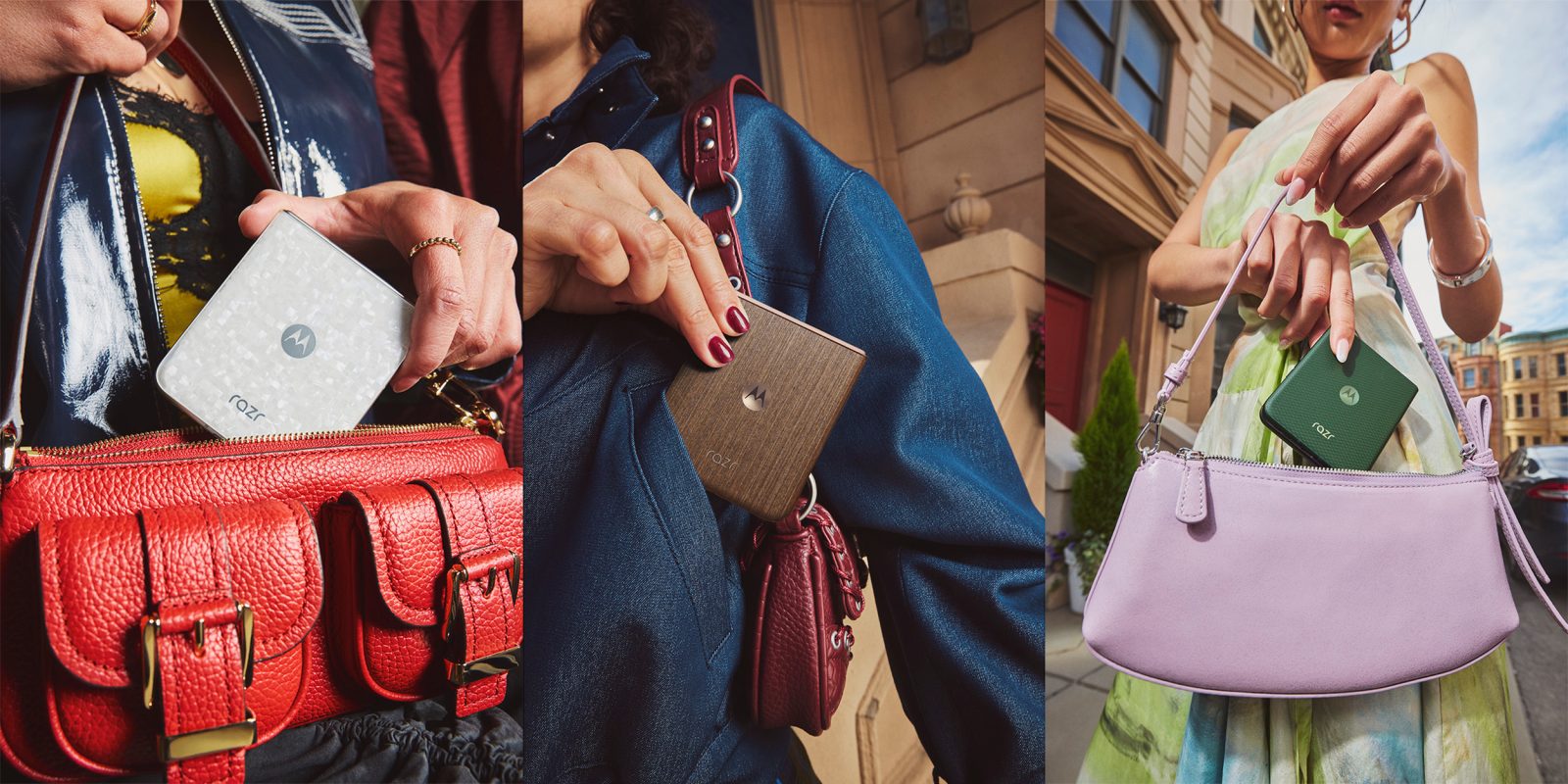
Design Evolution: Spot the Difference
At first glance, the Razr (2026) models are nearly indistinguishable from the 2025 versions. The iconic clamshell form factor, the flexible display, and the hinge mechanism all carry over with minor refinements. Motorola seems to have perfected the formula and is now focusing on iterative improvements rather than a complete redesign.
Display and Form Factor
The main foldable screen remains a 6.9-inch pOLED panel with a 120Hz refresh rate, identical to last year’s spec. The external display also stays at 3.6 inches, providing quick access to notifications, widgets, and a selfie preview. The hinge has been slightly reinforced for better durability, but the overall dimensions and weight are practically unchanged.
Color Options and Materials
Motorola introduced two new colorways for 2026 – Midnight Slate and Blooming Peach – while keeping the previous Viva Magenta and Infinite Black. The frames are still made of aircraft-grade aluminum, and the back panels use either Gorilla Glass Victus or vegan leather, depending on the model. However, these aesthetic tweaks are the most visible differences between generations.
Performance Upgrades Under the Hood
While the exterior screams familiarity, the internals have seen a modest refresh. The Razr (2026) and Razr+ (2026) now pack Qualcomm’s new Snapdragon 8s Gen 3 chip (instead of the previous Gen 2), offering slightly better AI processing and energy efficiency. RAM configurations remain 8GB or 12GB, and storage options top out at 512GB.
Battery and Charging
Battery capacity has increased marginally – from 3800mAh to 4000mAh on the standard model, and from 4200mAh to 4400mAh on the Razr+. Wired charging speeds stay at 30W, but wireless charging improved to 15W (up from 12W). In real-world use, you’ll get about an extra hour of screen-on time compared to the 2025 versions.
Camera System
The camera hardware remains identical to last year’s setup: a 50MP main sensor, a 13MP ultrawide, and a 32MP selfie camera inside the fold. Software enhancements via computational photography are the only upgrade, meaning photos and videos will look nearly the same as before.
The Price Hike: What’s Driving the Increase?
Despite the minimal changes, Motorola has raised prices across the entire lineup. The standard Razr (2026) starts at $699 (up from $649), and the Razr+ (2026) climbs to $999 (up from $949). The price increase is not uniform – some regions see even larger jumps due to currency fluctuations.

Economic Factors and Component Costs
Several factors contribute to the higher MSRP:
- Inflation and rising labor costs in manufacturing.
- Increased memory and processor costs – the new Snapdragon chip is more expensive than the previous generation.
- Supply chain adjustments after global disruptions.
- Premium positioning – Motorola is pushing the Razr as a flagship alternative to Samsung’s Galaxy Z Flip series.
Market Positioning
By keeping the design stable and raising prices, Motorola signals that it believes the Razr has enough brand equity to command a premium. However, this strategy risks alienating price-sensitive buyers who could opt for the Galaxy Z Flip 6 or even a discounted previous-generation Razr.
Should You Upgrade?
For owners of the Razr 2025 or 2024 models, the answer is likely no. The performance gains are marginal, the camera is unchanged, and the price increase makes it a poor value proposition. If you’re coming from an older flip phone or a traditional slab, the 2026 Razr remains a solid choice – but consider hunting for deals on the outgoing 2025 model to save money.
Motorola has also improved software support: the Razr (2026) now promises 3 major Android updates and 4 years of security patches, matching Samsung’s commitment. This extended longevity might justify the higher price for users who plan to keep their phone for several years.
Conclusion
The Motorola Razr (2026) lineup is a textbook example of an iterative update – same great looks, slightly better internals, and a noticeable price hike. Unless you crave the new colors or need the extra battery life, you’re better off saving money with last year’s model. Motorola will need to deliver more substantial changes in the next generation to keep customers excited about the flip phone form factor.