Ann Arbor Launches Pilot to Install Solar-Plus-Storage on 150 Homes, Aims to Slash Utility Bills
Breaking News: Ann Arbor’s Renewable Energy Pilot Begins This Week
Ann Arbor is rolling out a groundbreaking pilot program starting this week, placing solar panels and battery storage systems on 150 homes across the city. The initiative, run by the Ann Arbor Sustainable Energy Utility (A2SEU) in partnership with energy management firm FranklinWH, is designed to dramatically cut household electricity costs and test a scalable model for urban clean energy.
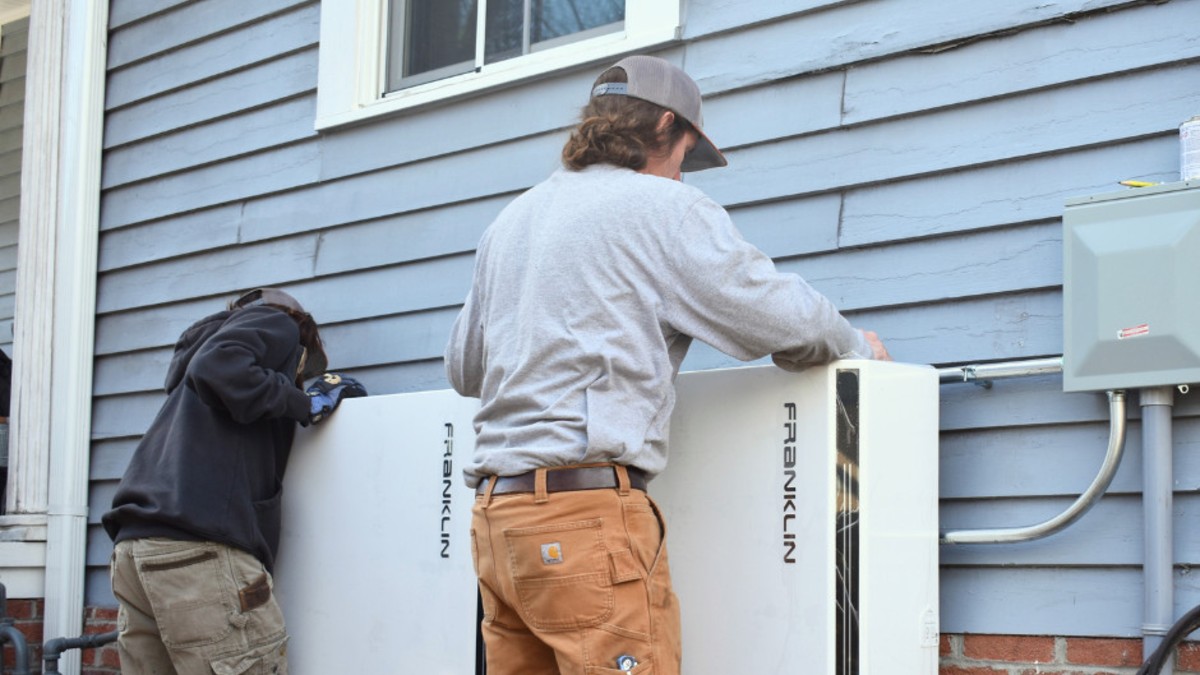
“This is a real-world experiment to see if bundled solar and storage can slash bills while strengthening the grid,” said Dr. Emily Hart, director of A2SEU, in an exclusive interview. “If successful, it could be replicated by other cities facing rising energy costs and climate goals.” The pilot will monitor performance over 12 months, with data shared publicly.
Background: Why Ann Arbor?
Ann Arbor has long been a leader in sustainability, targeting a 100% renewable energy transition by 2030. The city’s $2.3 million pilot is funded through a combination of municipal bonds and state grants, with FranklinWH supplying the hardware—integrated solar arrays and lithium-iron-phosphate batteries.
Historically, solar-only installations have struggled to offset peak evening demand when the sun sets. Battery storage solves that by storing afternoon generation for use later. “Batteries change the math for homeowners,” explained James Liu, senior energy analyst at GridLab. “Without storage, solar only saves about 30% on bills. With storage, savings can exceed 70%.”
What This Means for Homeowners and the Grid
The 150 participating households, selected from a lottery of over 1,000 applicants, will pay no upfront costs. Instead, they’ll enter a 20-year power purchase agreement where savings are shared between the city and homeowner. Early projections estimate average monthly bill reductions of $40–$60—about 25% to 40%.
Critically, the batteries will be networked into a virtual power plant (VPP). During high-demand periods—like heat waves—A2SEU can remotely discharge stored power back to the grid, reducing strain and avoiding fossil fuel peaker plants. “This turns every home into a mini power station,” said Mayor Christopher Taylor. “It’s a win for families, the environment, and grid reliability.”
Expert Reactions and Next Steps
“This is one of the most ambitious municipal clean energy pilots in the Midwest,” said Dr. Maria Gonzalez of the University of Michigan Energy Institute. “The key will be proving the VPP model works at scale—if Ann Arbor succeeds, Chicago and Detroit are watching closely.” FranklinWH CEO Mike Collins added, “Our technology is built for exactly this kind of community integration. We’re eager to see the real-world performance data.”

Installations will begin in the Arbor Hills neighborhood, with completion expected by July 2025. The city plans to publish quarterly reports and host public webinars. If the pilot meets its 30% bill reduction target, A2SEU will propose expanding to 1,500 homes within two years.
Key Facts at a Glance
- Pilot size: 150 single-family homes
- Technology: Integrated solar panels + FranklinWH battery storage (13.6 kWh each)
- Cost to homeowners: Zero upfront; 20-year shared savings agreement
- Expected bill reduction: 25–40% ($40–$60/month)
- Grid benefit: Virtual power plant capability for peak demand management
- Timeline: Installations start March 2025, complete by July; 12-month monitoring
How to Apply or Follow the Project
While the 150 slots are filled, residents can join a waitlist for future phases. Real-time data dashboards and monthly updates will be available on A2SEU’s pilot page. The city also hosts open houses at the Arbor Hills community center every third Thursday.
This pilot is part of Ann Arbor’s broader 2030 $1 billion climate plan, which includes 50% bus electrification and a citywide building efficiency retrofit program. “We’re putting our money where our mouth is,” Mayor Taylor concluded. “This is how you decarbonize and lower costs simultaneously.”
Reporting by Energy Today staff. Updated March 17, 2025 at 10:30 AM ET.