Japan and Australia Pioneer Ultra-Cheap Cardboard Drones for Swarm Warfare
Introduction
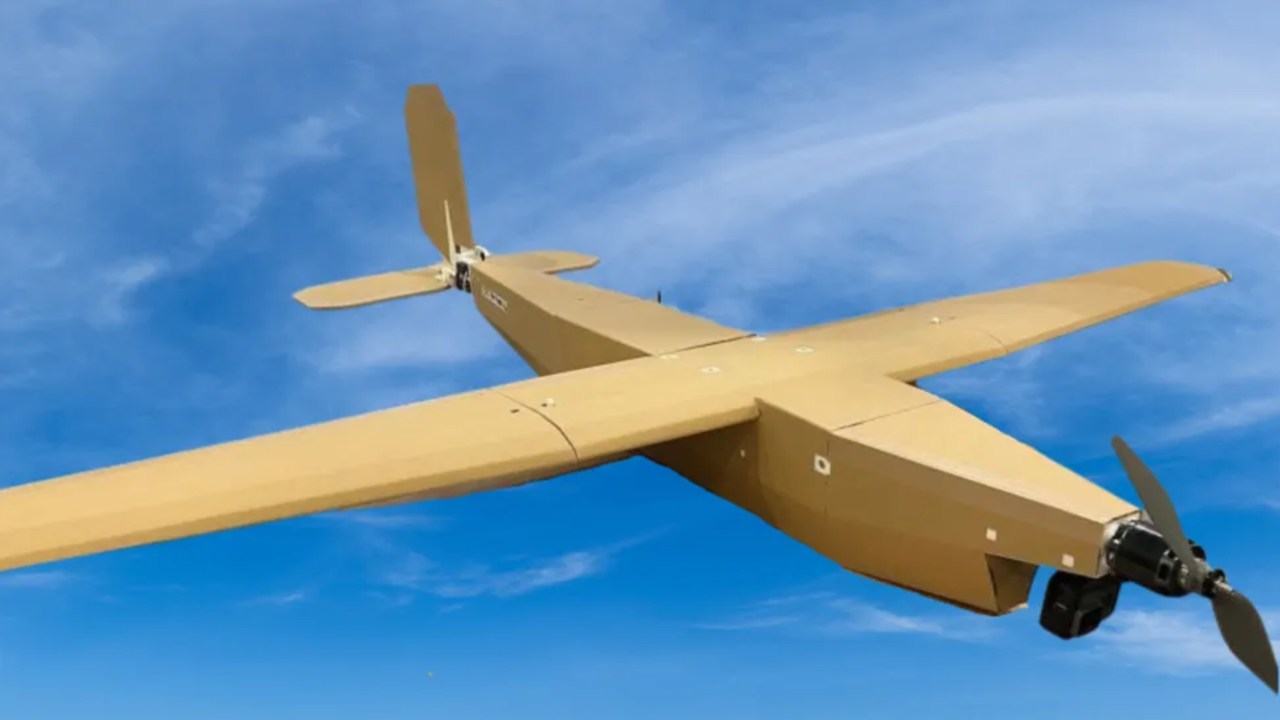
In a surprising twist on modern military innovation, Japan and Australia have joined forces to develop cardboard drones designed for one-way missions and mass-swarming attacks. These disposable aircraft, priced at around $2,000 each, are challenging traditional assumptions about the cost and complexity of drone warfare. While still in early stages, the project highlights a shift toward rapid, low-cost production of unmanned aerial vehicles (UAVs) that can be deployed in overwhelming numbers.
A Joint Venture between Pacific Allies
The collaboration leverages Japan's expertise in precision manufacturing—often likened to the meticulous art of origami—and Australia's experience in rugged drone operations. The result is a UAV that can be assembled quickly from corrugated cardboard, composite materials, and off-the-shelf electronics. As noted by defense analysts, the initiative reflects a growing interest in "attritable" systems: platforms that are cheap enough to be used once and lost without significant financial cost.
Design and Production: Cardboard and Composite Construction
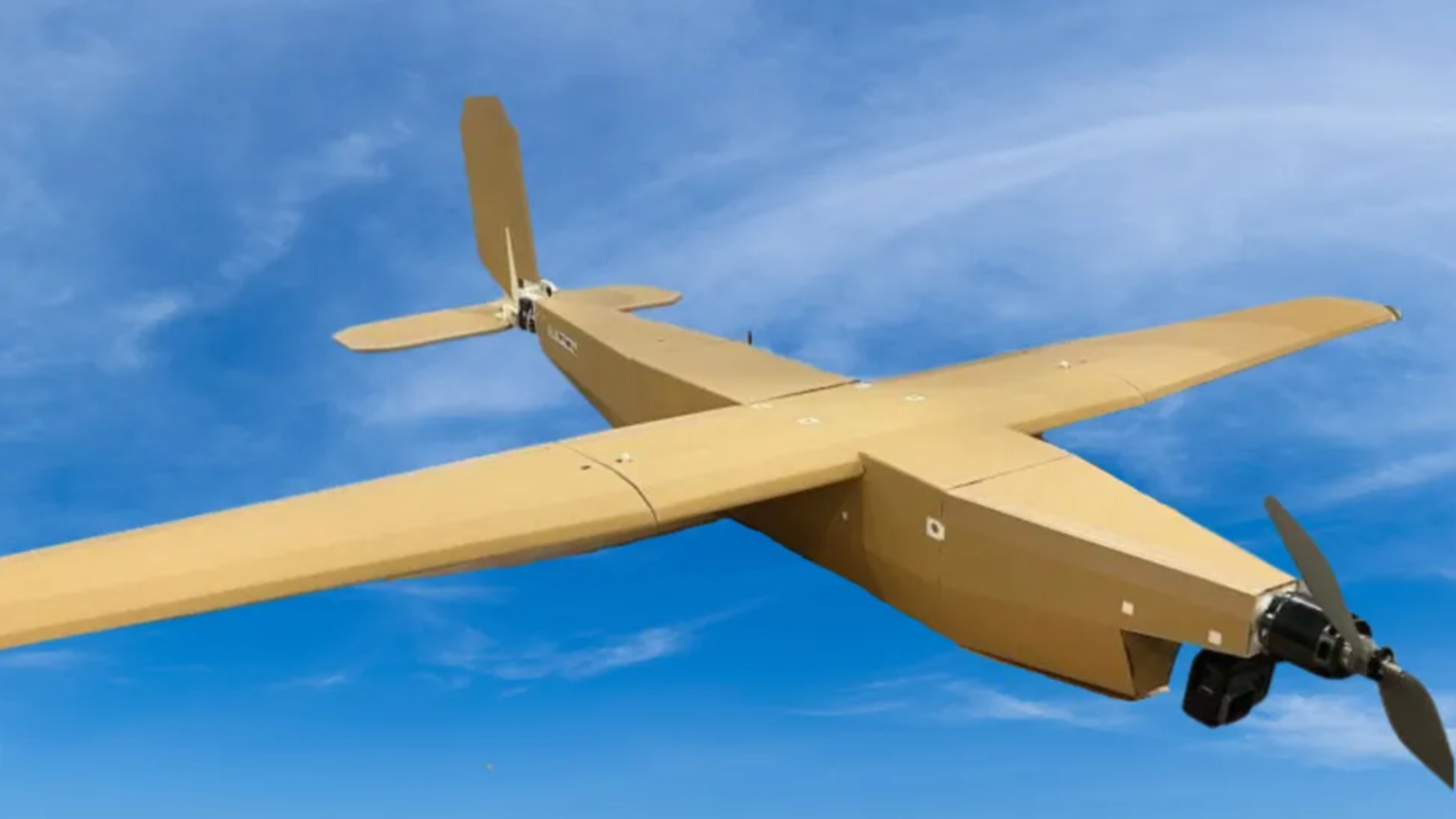
The drones feature a lightweight cardboard airframe reinforced with a plastic coating or composite strips, making them surprisingly resilient for a single flight. They are powered by small electric motors and can carry a limited payload—typically a small warhead, surveillance camera, or electronic warfare jammer. The modular design allows for rapid production using simple CNC-cut patterns, with assembly requiring minimal training. This approach enables surge manufacturing during conflicts, potentially turning factories into weapons production lines within days.
One-Way Missions and Swarming Tactics
Unlike reusable drones that require recovery and maintenance, these cardboard craft are engineered for one-way operations. Their primary role is to swarm enemy air defense systems, radar installations, or other high-value targets. By saturating defenses with numerous cheap drones, even advanced countermeasures become overwhelmed. This concept, known as swarm attrition, aims to achieve mission success through numbers rather than individual sophistication. The drones can be pre-programmed with coordinated flight paths or operated via a mesh network for adaptive behavior.
Cost-Effectiveness: A Game Changer?
At roughly $2,000 per unit, these drones are orders of magnitude cheaper than standard military UAVs such as the U.S. Switchblade 600 (≈$50,000) or the Bayraktar TB2 (≈$2 million). Even a small swarm of 100 cardboard drones represents a total investment of $200,000—comparable to the cost of a single anti-tank missile. This price point makes them accessible to nations with limited defense budgets or as expendable assets for special operations.
Operational Limitations and Durability Concerns
However, the cardboard construction raises questions about battlefield performance. The drones are vulnerable to weather—rain, high humidity, or strong winds could compromise structural integrity. Their low speed and altitude make them easy targets for gunfire or directed energy weapons if not overwhelming in numbers. Additionally, the short range (estimated at 20-100 km) and limited endurance restrict them to tactical missions rather than strategic strikes. Critics argue that while cheap, they may still suffer from high failure rates, reducing effective swarm density.
Implications for Future Conflict
The Japan-Australia cardboard drone program signals a broader trend toward democratizing advanced military capabilities. By lowering the cost barrier, even smaller nations or insurgent groups could potentially deploy swarms. This development challenges current air-defense paradigms and may accelerate the adoption of directed-energy weapons and AI-driven counter-swarm systems. On the ethical front, the use of cheap, disposable drones may lower the threshold for initiating drone strikes, raising concerns about escalation and unintended casualties.
Conclusion
While still a proof of concept, the alliance's cardboard drones represent a fascinating intersection of cooperative innovation and cost-driven warfare. Whether they become a niche tool or a game-changing asset will depend on how engineers address their durability limitations and how militaries integrate them into broader operational concepts. For now, the message is clear: the age of ultra-cheap swarm drones has arrived.