Revolutionizing Space Computing: NASA and Microchip's Next-Generation Processor
Space computing has come a long way since the Apollo Guidance Computers of the 1960s. Today, NASA and industry leader Microchip Technology Inc. are jointly developing a groundbreaking new processor family called High-Performance Spaceflight Computing (HPSC). This public-private partnership promises to deliver over 100 times the computing power of current space processors, enabling more complex, autonomous, and longer-lasting missions to the Moon, Mars, and beyond. Below, we answer key questions about this transformative technology.
What is the High-Performance Spaceflight Computing (HPSC) project?
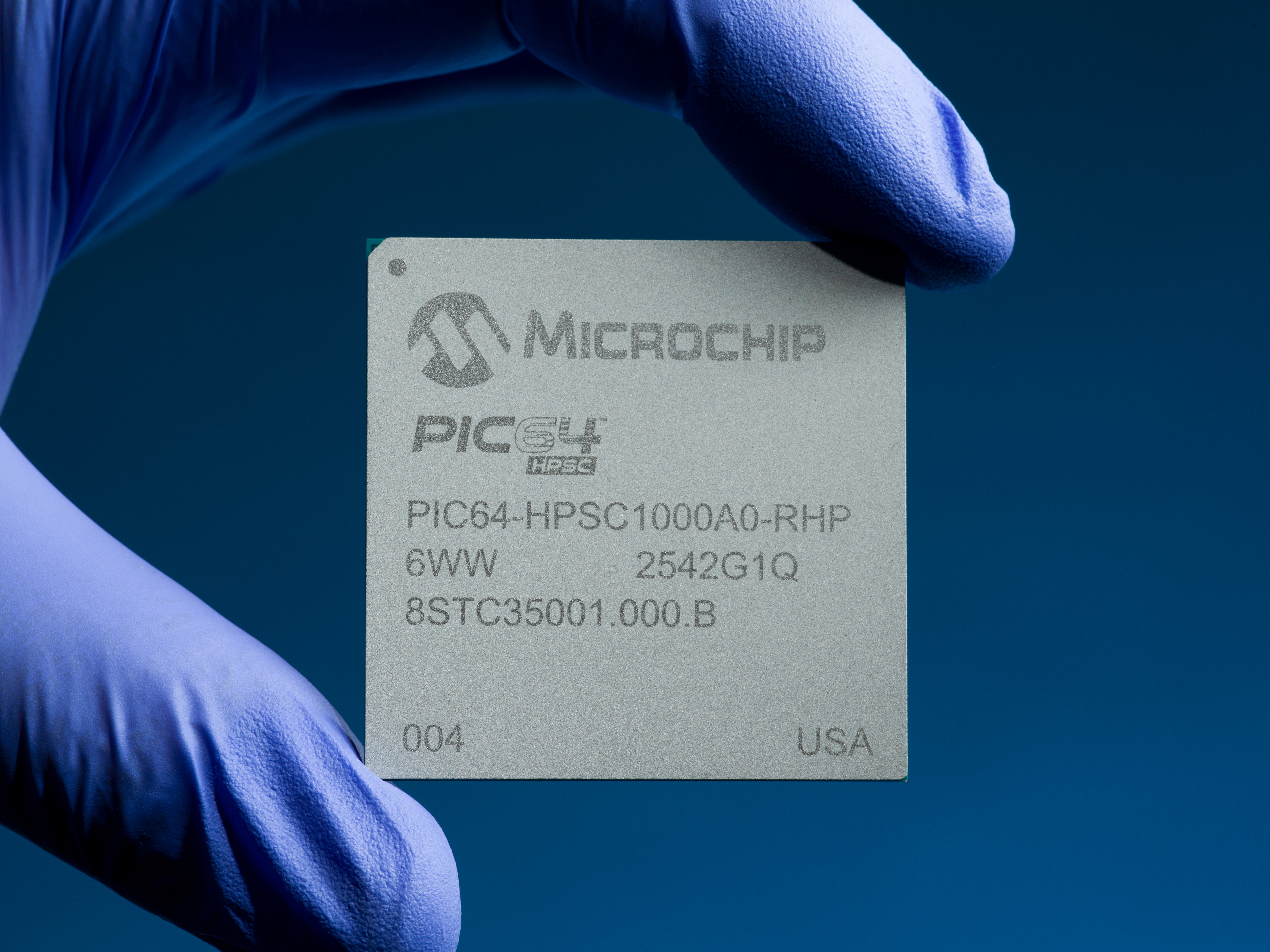
The High-Performance Spaceflight Computing project is a next-generation system-on-chip (SoC) developed through a collaboration between NASA and Microchip Technology Inc. It integrates computing and networking into a single device, dramatically reducing system cost and power consumption compared to traditional radiation-hardened processors. The HPSC family includes multiple distinct but compatible technologies, allowing missions to scale computing resources as needed. By combining agency and commercial investments, this initiative aims to meet the demands of future space missions that require greater autonomy, resilience, and real-time decision-making capabilities.
How does HPSC compare to legacy space processors?
Legacy radiation-hardened processors have powered NASA's most iconic achievements, from the Mars rovers to space telescopes, but they are reaching their performance limits. The HPSC technology delivers over 100 times the computing capability of these current processors. This leap in performance is achieved through advanced architecture that integrates networking alongside computing, enabling massive onboard data processing. While older systems often relied on separate components for computation and communication, HPSC combines them, reducing complexity and power draw. This makes it ideal for deep-space missions where every watt counts.
What are the two versions of the HPSC processor?
The HPSC family includes a radiation-hardened version and a radiation-tolerant version. The radiation-hardened variant is built for geosynchronous, deep-space, and long-duration missions to the Moon, Mars, and beyond. It can operate in harsh environments while supporting real-time autonomous tasks. In contrast, the radiation-tolerant version is tailored for the commercial space sector, providing fault tolerance and cybersecurity for low Earth orbit (LEO) satellites. Both versions share a common core architecture, ensuring software and design compatibility across different mission types.
How does HPSC enhance autonomy and real-time decision-making?
By using advanced Ethernet to connect multiple sensors or cluster several chips, HPSC allows spacecraft to process massive amounts of data onboard and make autonomous decisions in real time. For example, a Mars rover could drive at higher speeds while safely navigating obstacles, or a telescope could filter scientific images without waiting for ground commands. The system also features continuous health monitoring and an integrated security controller, ensuring that complex operations remain safe and reliable even in unpredictable space environments.
How does HPSC improve energy efficiency and scalability?
The HPSC architecture includes a scalable design that allows unused functions to be powered down, optimizing energy efficiency for critical operations. This is especially important for long-duration missions where power is scarce. The SoC integrates computing and networking into a single chip, reducing the need for multiple discrete components and lowering overall power consumption. Additionally, the family includes multiple processor variants that can be mixed and matched to fit specific mission needs, from small satellites to large orbiters.
Who are the partners in this development effort?
The High-Performance Spaceflight Computing technology is a nationwide, public-private development effort anchored by NASA and Microchip Technology Inc. It combines NASA's decades of experience in space computing with Microchip's commercial expertise in semiconductor design. The partnership also involves other industry and academic collaborators, ensuring a broad range of input and testing. This model allows both government and commercial space sectors to benefit from shared investments, accelerating the pace of innovation.