DNA Analysis Reveals Four More Identities from Franklin's Lost Arctic Expedition
New Insights from Old Bones
For over a century and a half, the fate of Sir John Franklin's 1845 Arctic expedition has captivated historians and the public alike. Now, cutting-edge DNA analysis is bringing closure to the families of some of the 129 men who perished. In two new studies published in the Journal of Archaeological Science and Polar Record, researchers announce the identification of four additional crew members from skeletal remains recovered from the expedition's final resting places.
The Doomed Voyage
Setting Sail into Mystery
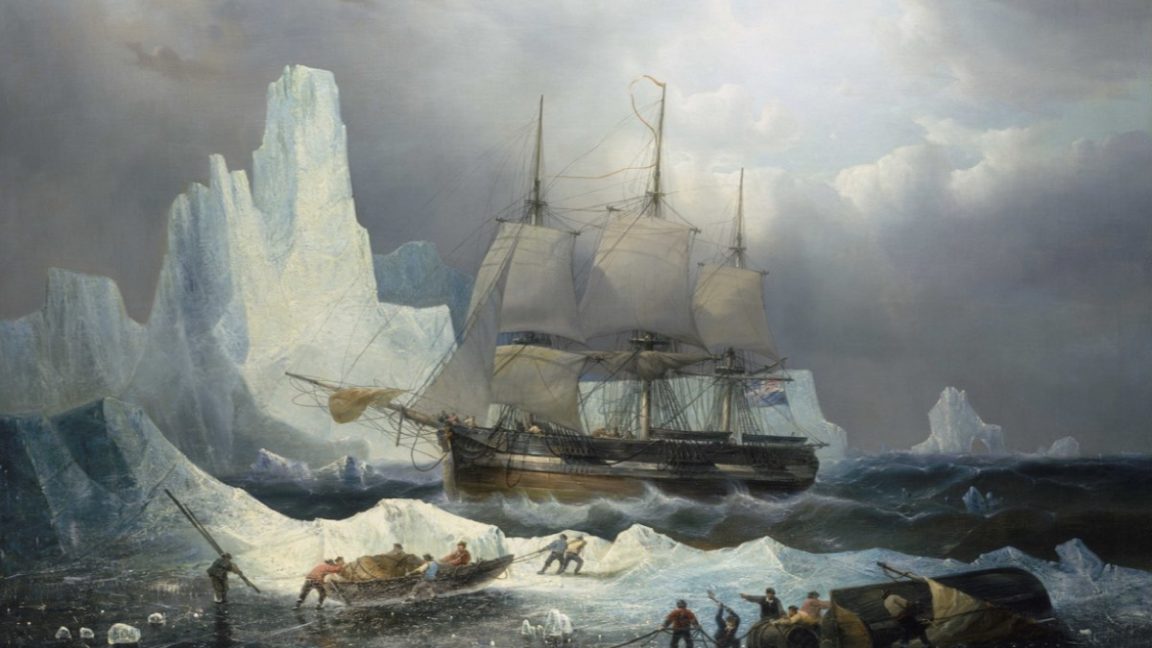
On May 19, 1845, HMS Erebus and HMS Terror departed England under Franklin's command, tasked with charting the Northwest Passage. The ships were last spotted in July 1845 by whalers in Baffin Bay. Then they vanished.
Over the following decades, search parties pieced together a grim timeline. The crew wintered on Beechey Island in 1845–1846, where three graves were later discovered. When the ice cleared, the expedition sailed into Victoria Strait, only to become trapped off King William Island in September 1846. Franklin died on June 11, 1847, according to a note left by Captain James Fitzjames, who assumed command. The remaining 105 men abandoned ship, but none survived the trek to safety or the ensuing winter.
The DNA Breakthrough
Matching Remains to Descendants
Archaeologists have been collecting skeletal remains from sites on King William Island and Beechey Island for decades. Using DNA profiling, they compare samples from the bones with genetic material from living descendants of crew members. The latest results add four names to the list of identified individuals, building on previous successes. The two papers detail the techniques used and the genealogical research that made the identifications possible.
This work is a collaboration between historical researchers, forensic scientists, and indigenous communities in the Arctic. Ethical considerations are carefully managed, with remains handled respectfully and identifications shared with descendant families.
Scientific Methods and Cultural Significance
How DNA Identification Works
The process involves extracting mitochondrial DNA (mtDNA) from bone powder, which is more durable than nuclear DNA. This mtDNA is compared to samples from maternal-line descendants. When a match is found, genealogical records confirm the identity. The four new identifications required painstaking work due to the degraded nature of the remains and the need to locate living relatives who can provide reference samples.
Broader Impact on Arctic Archaeology
Beyond solving a historical puzzle, these identifications provide closure to families and highlight the power of modern genetics in archaeology. The Franklin expedition remains a textbook case of how interdisciplinary science can unravel long-standing mysteries. The studies also underscore the importance of preserving Arctic heritage sites, as many remain vulnerable to climate change and human activity.
Continuing the Quest
Each new identification brings us closer to understanding the final days of the Franklin crew. As DNA databases grow and techniques improve, researchers hope to name even more of the lost men. The story of the Erebus and Terror is slowly being rewritten, one bone at a time.