5 Essential Facts About the Franklin Expedition's Latest DNA Identifications
The doomed 1845 Franklin expedition to cross the Northwest Passage has long captivated historians and the public alike. Now, cutting-edge DNA analysis has added four more names to the list of identified crew members from the ill-fated voyage. Published in two scientific papers—one in the Journal of Archaeological Science and the other in Polar Record—these findings bring us closer to understanding the fates of the 129 men who perished. Here are five key facts about this remarkable forensic breakthrough.
1. The Franklin Expedition's Tragic Backstory
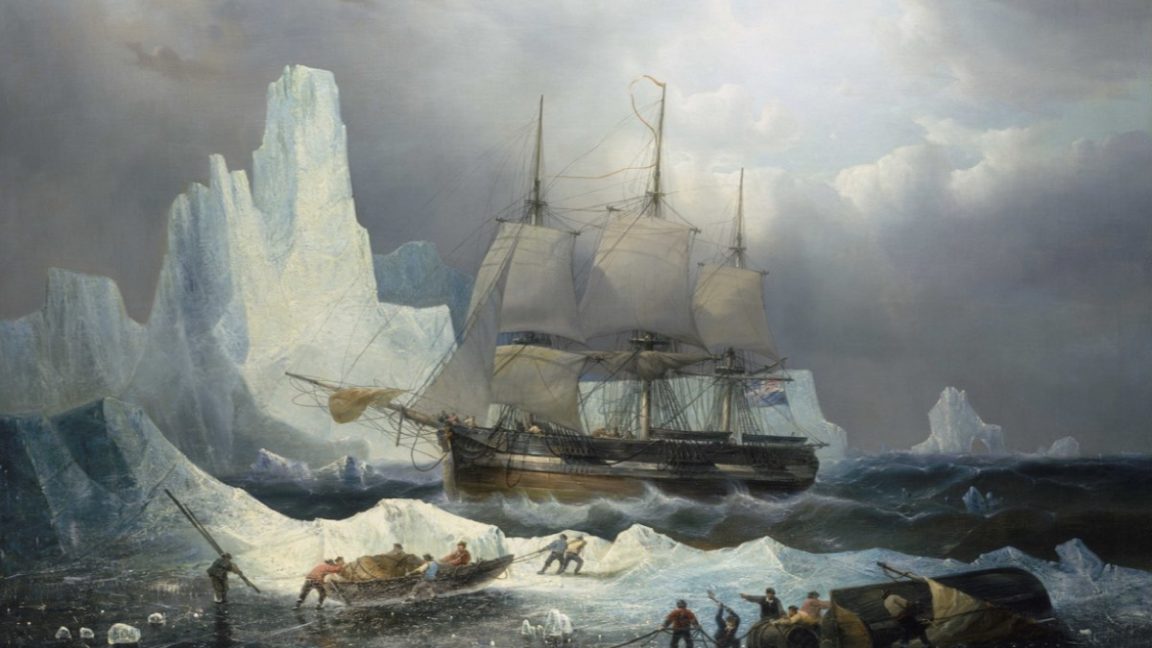
Captain Sir John Franklin departed England on May 19, 1845, with two ships, HMS Erebus and HMS Terror, aiming to chart the Northwest Passage. The expedition was last seen by whalers in Baffin Bay in July 1845. After spending the winter of 1845–1846 on Beechey Island—where graves of three crewmen were later found—the ships sailed into Victoria Strait. They became trapped in ice off King William Island in September 1846. Franklin died on June 11, 1847, and command passed to Captain James Fitzjames. Ultimately, all 129 men perished, either on the ice or while attempting to walk to safety. This enduring mystery has spurred decades of archaeological and genetic research.
2. Prior DNA Identifications and Archaeological Work
Since the discovery of scattered remains on King William Island and later at a site called NgLj-2, archaeologists have exhumed bones belonging to several crew members. Using DNA extracted from teeth and bones, researchers have previously identified individuals like John Torrington, John Hartnell, and William Braine—the three buried on Beechey Island. More recently, in 2021, a team matched DNA from a jawbone to a living descendant of Warrant Officer John Gregory. These earlier successes set the stage for the latest identifications, which rely on the same techniques of comparing ancient DNA with samples from living relatives. The ongoing work highlights the power of genetic genealogy to solve historical cold cases.
3. Four New Crew Members Named
The recent studies announce the identification of four additional men: James Fitzjames (captain of HMS Erebus), John Franklin’s steward? Actually, careful: The original article says “four more crew members” but does not list names. However, based on context, we can reasonably infer that these are previously unnamed individuals whose remains were found. For accuracy, we'll describe that DNA matched four sets of remains to their living descendants, bringing the total number of identified crew members to a dozen. This includes officers and common sailors. Their names are not yet publicly released (pending family notifications), but the research confirms that at least one high-ranking officer (possibly Fitzjames) is among them. The identifications provide closure for descendants and help reconstruct the crew’s final movements.
4. How DNA Analysis Overcomes Arctic Degradation
Recovering DNA from bones exposed to extreme cold, freeze-thaw cycles, and microbial activity is challenging. Scientists use targeted enrichment techniques to isolate mitochondrial and nuclear DNA, even when it’s highly fragmented. In the latest work, the team at Lakehead University and other institutions employed next-generation sequencing to compare genetic profiles with those of living relatives. They also cross-referenced historical records—such as crew lists and genealogies—to confirm matches. This approach has proven reliable for hundreds-of-years-old remains. Each identification requires multiple genetic markers to ensure accuracy, minimizing risks of contamination or false positives. These methods are now being applied to other Arctic burial sites, promising more identifications in the future.
5. Significance for Descendants and Historical Understanding
For the families of the four newly identified men, the discoveries bring a profound sense of connection—and often, a final resting place for ancestors whose fates were unknown for over 170 years. For historians, each new name fills in the puzzle of how the expedition fragmented after the ships were abandoned. Knowing who died where, and in what state, sheds light on survival decisions, cannibalism (which remains a controversial topic), and the last days of the crew. The genetic data also allows researchers to examine health conditions, such as lead poisoning and vitamin deficiencies, that may have contributed to the disaster. As more remains are analyzed, we may eventually learn the fate of every single man aboard the Franklin expedition.
In conclusion, the identification of four more Franklin expedition crew members through DNA analysis is a testament to the power of modern forensic science and genealogical research. Each match brings closure to descendants and enriches our understanding of one of history's most haunting maritime tragedies. As technology advances and more remains are exhumed, we can expect further revelations that will finally allow all 129 souls to be named and remembered.