Lotus EV Shipment to Canada: A Strategic Move for Geely's North American Ambitions?
Introduction
In a move that has caught the attention of automotive analysts and industry insiders alike, Lotus—the iconic British sports car brand now under Chinese ownership—has dispatched its first batch of 18 all-electric vehicles to Canada. This initial delivery, consisting of the Emeya electric sedan and the Eletre SUV, marks the first time Chinese-made EVs have physically entered the Canadian market under the Lotus banner. But beyond the immediate milestone, the question on many minds is whether this is merely a test run for parent company Geely's broader push into North America.
The Lotus Delivery: A Milestone
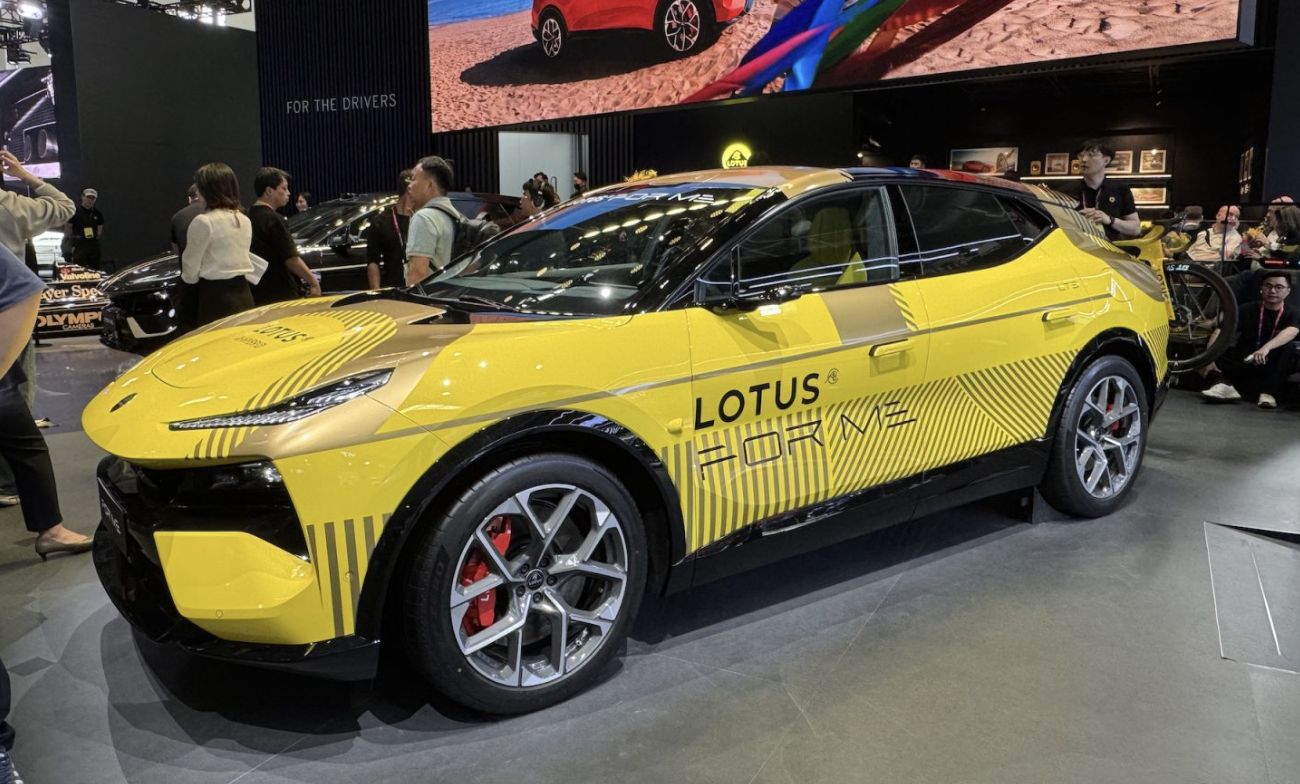
Lotus Technology, the Nasdaq-listed arm of the Geely Group, confirmed the shipment of 18 EVs to Canada in early 2025. These vehicles are produced at Lotus's state-of-the-art factory in Wuhan, China, and represent a significant step for the brand as it transitions from a niche sports car manufacturer to a global player in the premium EV segment. The Canadian market was chosen partly due to its growing appetite for electric vehicles and its proximity to the U.S.—a market where Lotus has yet to establish a direct presence.
The shipment includes examples of the Lotus Emeya, a four-door electric grand tourer positioned to rival the Porsche Taycan and Tesla Model S, along with the Eletre, a high-performance electric SUV that competes with models like the BMW iX and Mercedes-Benz EQS SUV. Both vehicles benefit from Lotus's legendary lightweight engineering and Geely's vast resources in battery technology and manufacturing scale.
Why Canada?
Canada's Zero-Emission Vehicle (ZEV) mandate and generous federal and provincial incentives make it an attractive entry point for EV manufacturers. Additionally, the country has established a robust charging infrastructure and a consumer base increasingly receptive to EVs from diverse brands. By starting in Canada, Lotus can test the waters—understand local regulatory requirements, build a service network, and gauge consumer response—before potentially pivoting to the much larger U.S. market.
Moreover, the Geely Group already has a foothold in Canada through its ownership of certain Volvo production facilities? Actually, Volvo (owned by Geely) has operations in Canada? No, but Geely's strategy often involves using one brand to pave the way for another. For instance, Geely used Volvo's reputation to launch the Lynk & Co brand in Europe. Now, Lotus may serve a similar purpose in North America.
Geely's Ownership and Global Strategy
Geely acquired a majority stake in Lotus in 2017, subsequently investing heavily to revitalize the brand and position it as a premium electric performance marque. The Chinese automotive giant, which also owns Volvo, Polestar, Zeekr, and a stake in Mercedes-Benz, has been methodically expanding its global footprint. However, North America remains a significant gap in Geely's map, primarily due to trade tensions and tariffs between the U.S. and China.
Lotus's move into Canada could be a strategic workaround. By entering the Canadian market, Geely gains a foothold in North America without directly confronting U.S. import duties on Chinese-made vehicles. Then, if successful, Lotus could leverage the Canada-U.S.-Mexico Agreement (CUSMA) to export vehicles from Canada to the U.S. with reduced tariffs—provided they meet regional value content requirements. Alternatively, Geely might eventually manufacture Lotus vehicles in a Canadian plant, similar to how Toyota and Honda have used Canadian factories as a base for the U.S. market.
Is This a Prelude to Geely's Own Brands?
Geely's own-brand vehicles—such as the Geometry and Galaxy series—have not yet entered North America. But the company has expressed interest. The Lotus EV shipment could be a litmus test: If Canadian consumers and regulators respond positively, Geely might feel more confident introducing its mainstream EVs under the Geely badge. Furthermore, a successful Lotus launch would create a premium halo effect, making it easier for Geely to market its volume brands later.
However, challenges remain. Geely must overcome perceptions of Chinese-made vehicles, which some consumers still associate with lower quality, despite significant improvements. Lotus's British heritage and performance pedigree can help offset that bias. Also, Canada's market is relatively small compared to the U.S., so any real volume would require eventual entry into America.
Challenges and Opportunities
While the strategic logic is sound, Lotus faces hurdles. First, the 18 EVs shipped represent a token amount—hardly enough to establish a brand presence. Lotus will need to rapidly scale up deliveries and build a dealer network. Second, competition in the Canadian EV market is fierce, with Tesla dominating and legacy automakers like Ford, GM, and Hyundai offering compelling options. Third, Geely must navigate potential pushback from Canadian lawmakers if they see this as a backdoor for Chinese state-subsidized exports.
On the opportunity side, Canada's EV adoption rate is accelerating, and the country aims to phase out gasoline vehicle sales by 2035. Lotus's high-performance EVs could carve out a niche among enthusiasts and eco-conscious buyers seeking exclusivity. Additionally, Geely's deep pockets and technological partnerships—including with battery supplier CATL—give Lotus a competitive edge in range and charging speed.
Conclusion
The arrival of 18 Lotus EVs on Canadian shores is more than a simple product launch; it is a calculated strategic maneuver by Geely to probe the North American market. Whether this paves the way for the Chinese giant's own brands remains to be seen, but the signal is clear: Geely is preparing for a larger role in the region. As Lotus begins deliveries and expands its footprint, the Canadian market may well become the testing ground for Geely's North American ambitions.
What do you think? Will Geely follow Lotus into Canada? Let us know in the comments.