How Wind and Solar Slashed UK Gas Imports by £1.7 Billion: A Step-by-Step Guide
Introduction
The United Kingdom has achieved a remarkable milestone: since the outbreak of the Iran war in late February 2026, record-breaking wind and solar generation have saved the nation an estimated £1.7 billion in gas imports. This step-by-step guide breaks down how this happened, from the surge in renewable output to the drastic reduction in fossil fuel reliance. Whether you're an energy analyst, policy maker, or curious reader, you'll understand the key factors that turned the tide for Great Britain's electricity system.
What You Need
To replicate or appreciate these savings, you'll need the following foundational elements (or at least understand their role):
- Expanded wind and solar capacity – Installed renewable energy infrastructure, both onshore and offshore wind farms plus solar arrays.
- Real-time grid data – Monitoring from the National Energy System Operator (NESO) to track generation and demand.
- Accurate gas price benchmarks – Current market prices for liquified natural gas (LNG) to calculate avoided costs.
- Energy system flexibility – Ability to manage fluctuations in renewable output through storage, interconnectors, and demand response.
- Policy support – Government incentives and market rules that favor low-carbon generation.
Step 1: Scale Up Wind and Solar Generation
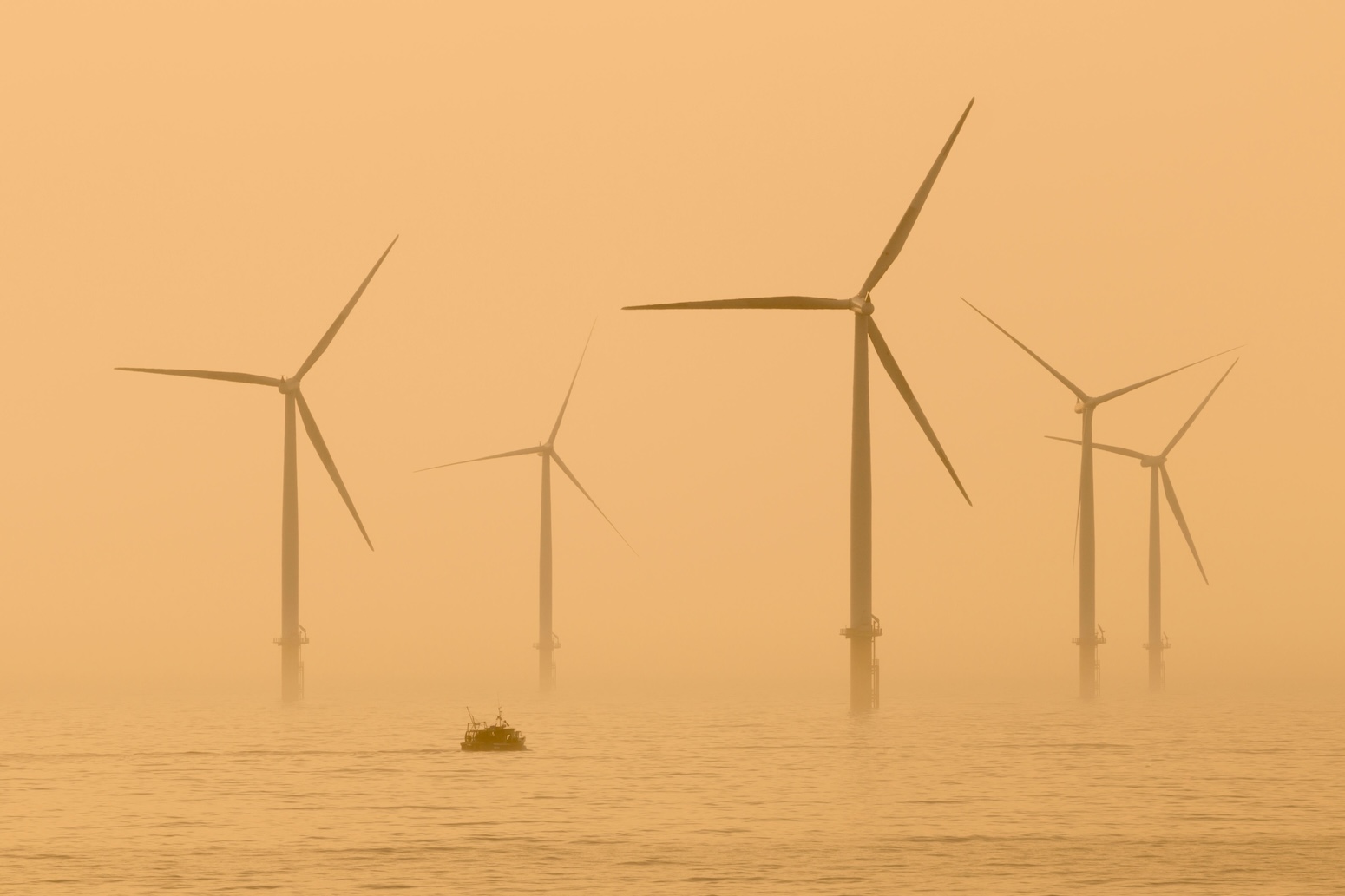
The foundation of the £1.7 billion saving is a massive increase in installed wind and solar capacity. Over the past decade, the UK has invested heavily in renewables, particularly offshore wind. By the time the Iran conflict began in February 2026, the country had built enough capacity to generate record amounts of electricity. In the two months following the war's start, wind and solar produced 21 terawatt hours (TWh) on Great Britain's main grid – an all-time high for any comparable period. This step is critical: without abundant renewable generation, the savings would be impossible.
Step 2: Prioritize Renewable Dispatch Over Fossil Fuels
With cheap and abundant wind and solar available, grid operators can dispatch these sources first, pushing gas-fired plants down the merit order. During March and April 2026, this led to gas generation falling by roughly a third compared to the same months in 2025. In fact, gas output hit record lows in both months. The key is to ensure that renewable power is not curtailed and that the grid can absorb its variable output. Flexible resources – such as batteries and interconnectors to Europe – help maintain stability while maximizing clean energy use.
Step 3: Monitor and Calculate Avoided Gas Imports
Once renewables take over, the next step is to measure how much gas would have been needed to replace that clean electricity. Carbon Brief's analysis shows that the 21 TWh of wind and solar avoided the need to burn gas equivalent to 41 TWh of imported LNG – about 34 tanker shipments. This calculation relies on the heat rate of gas plants and typical losses. With global gas prices soaring due to the war (a second fossil-fuel price crisis in four years), the cost of those 34 tankers came to approximately £1.7 billion. To perform this calculation yourself, you need:
- Hourly renewable generation data (from NESO).
- Average gas price over the period (e.g., spot LNG prices).
- Gas-to-electricity conversion efficiency (typically ~50% for modern CCGTs).
Step 4: Observe the Flips in the Electricity Mix
As renewables surge, the electricity mix transforms. A decade ago, fossil fuels supplied more than four times the electricity of wind and solar. By 2026, that ratio had reversed: wind and solar now generate more than double the electricity from fossil fuels. This shift has been sustained for a record 15 consecutive months, including the entire winter of 2025-26 – a first. The critical point is that this is not a temporary blip; it reflects a structural change in how power is generated. To track this, compare monthly generation figures from NESO for fossil fuels vs. renewables.
Step 5: Measure the Impact on Electricity Prices
With less gas-fired generation, the marginal price-setting mechanism changes. In the UK, gas often sets the wholesale electricity price. During March and April 2026, gas set the price about 25% less often than in the same months of 2022 (when Russian invasion caused a spike). This means lower electricity costs for consumers and businesses. The relationship is straightforward: the more renewable energy on the grid, the fewer hours gas dictates prices. To see this effect, analyze half-hourly price data and generation mix – the correlation is strong, especially during high-wind periods.
Step 6: Celebrate Record Zero-Carbon Moments
The pinnacle of this success occurred on 22 April 2026, between 15:30 and 16:00, when a record 98.8% of electricity on the transmission grid came from zero-carbon sources (including wind, solar, nuclear, and hydro). This moment illustrates the potential for a near-100% clean grid. While such peaks are fleeting, they prove that the system can handle extremely high shares of renewables. To replicate such achievements, continuous investment in grid infrastructure, storage, and demand-side management is essential.
Tips for Maintaining and Expanding These Savings
- Invest in energy storage: Batteries and pumped hydro can store excess wind and solar for use during low-generation periods, reducing the need for gas backup.
- Upgrade grid infrastructure: Build more transmission lines to move power from windy coasts to demand centers, minimizing curtailment.
- Deploy smart demand response: Encourage large consumers (e.g., industrial plants, data centers) to shift usage to times of high renewable output.
- Keep policy stable: Long-term contracts like Contracts for Difference (CfDs) lower investor risk and accelerate new renewable projects.
- Monitor gas price volatility: The £1.7 billion saving depends on high gas prices; if prices fall, the financial benefit shrinks, but the environmental benefit remains.
- Learn from record events: Analyze periods of extremely high renewable penetration (like 98.8%) to improve system operations and resilience.