10 Stunning Satellite Views of SpaceX's Falcon Heavy Comeback Launch
Introduction
On April 29, 2023, SpaceX's Falcon Heavy roared back to life after an 18-month hiatus—and a watchful satellite captured every moment from its unique vantage point in space. The resulting images offer a breathtaking perspective on one of the most powerful rockets ever built. In this listicle, we break down ten key things you need to know about this historic launch and the wild satellite photos that document it.
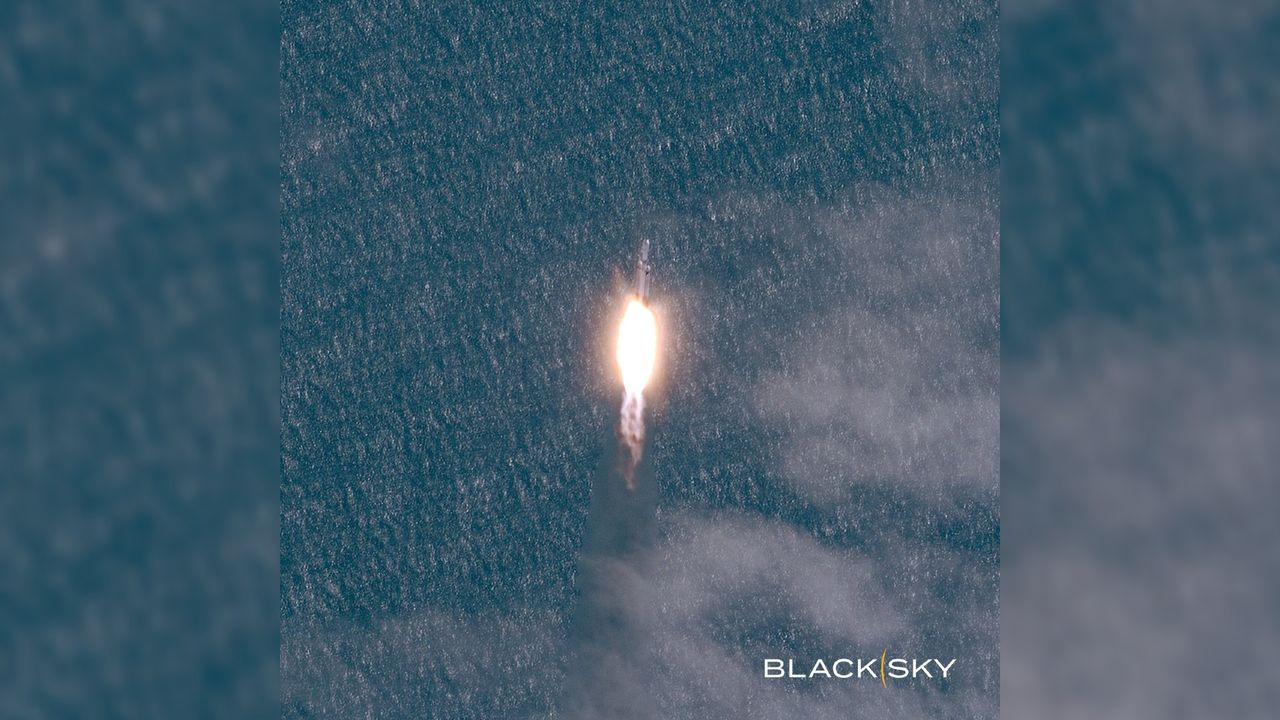
1. A Milestone Launch for Falcon Heavy
The flight marked Falcon Heavy's first mission since August 2021, ending a long pause that had space enthusiasts eagerly awaiting its return. Launched from NASA's Kennedy Space Center in Florida, the rocket lifted off successfully, carrying a payload of critical satellites into orbit. The event was a testament to SpaceX's ability to maintain and operate heavy-lift vehicles even after extended downtime.
2. The 18-Month Gap Explained
The prolonged hiatus wasn't due to technical issues but rather a shift in launch priorities. SpaceX focused on its more frequently used Falcon 9 rocket and the development of Starship. Meanwhile, Falcon Heavy—while still the most powerful operational rocket—awaited a customer that required its unique capabilities. The April launch broke that silence, demonstrating that Falcon Heavy remains a vital tool for heavy payloads.
3. The Satellite That Captured the Action
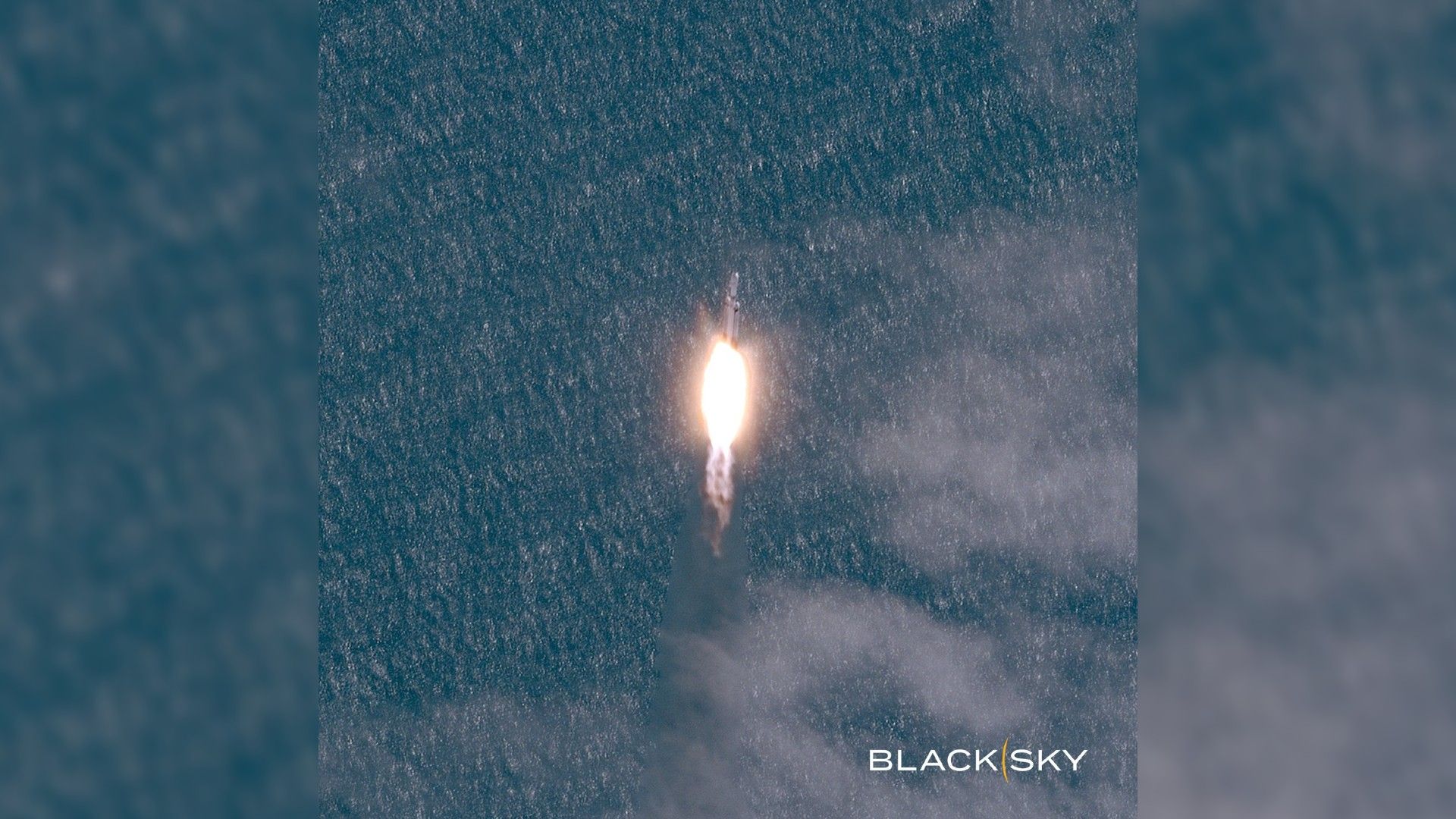
A sharp-eyed satellite—likely a high-resolution Earth observation platform operated by companies like Maxar Technologies or Planet Labs—was perfectly positioned to document the launch. These satellites orbit at altitudes of a few hundred miles and can snap images of events on the ground with remarkable clarity. In this case, the satellite's cameras tracked Falcon Heavy as it climbed through the atmosphere, providing a rare orbital perspective.
4. Stunning Views from Orbit
The satellite photos reveal the rocket's fiery exhaust plume against the dark backdrop of space, with the curved limb of Earth below. Unlike ground-based footage, which is limited by weather and distance, orbital imagery shows the full trajectory—from liftoff to stage separation. One dramatic shot captures the moment the side boosters peeled away, creating a stunning visual of three distinct trails of fire.
5. What the Photos Reveal
Beyond their aesthetic appeal, the images provide valuable scientific data. Analysts can study the shape and color of the exhaust to infer engine performance, while the timing of stage separations can be cross-referenced with telemetry. The photos also show the rocket's shadow cast onto cloud decks, offering insights into atmospheric conditions at the time of launch.
6. The Technical Marvel of Falcon Heavy
Falcon Heavy is essentially three Falcon 9 first-stage cores strapped together, generating over 5 million pounds of thrust at liftoff. This makes it capable of lifting nearly 64 metric tons to low Earth orbit—more than any other rocket currently in operation except NASA's Space Launch System. The April mission showcased this power as the rocket soared into the sky with a rumbling that could be heard miles away.
7. The Payload and Mission Details
Although the exact payload details were classified for this flight, it's believed the launch carried a mix of military and commercial satellites. Falcon Heavy's ability to deliver multiple payloads to different orbits makes it ideal for such rideshare missions. The successful deployment underscored the rocket's reliability, even after an 18-month gap in launches.
8. The Significance of Reusability
One of the most impressive aspects captured in the satellite photos is the booster landings. The two side boosters returned to Cape Canaveral and completed synchronized touchdowns—a feat of precision engineering visible from space as twin landing burns. The center core, however, was expended (or landed on a drone ship), demonstrating SpaceX's evolving reusability strategy.
9. The Future of Falcon Heavy Launches
With this successful return, Falcon Heavy is scheduled for several more missions in the coming years, including launching NASA's Europa Clipper and components of the Gateway lunar station. The satellite imagery from this flight sets a precedent for future launches, where orbital photography will become a routine part of mission documentation and public engagement.
10. How Satellite Imagery Helps Monitor Space Activities
The photos aren't just cool—they serve serious purposes: verifying launch events, tracking debris, and providing independent confirmation of timelines. As space becomes more congested, such images help maintain transparency and safety. The Falcon Heavy launch shows how satellite imagery bridges the gap between ground-based observation and the broader space environment.
Conclusion
SpaceX's Falcon Heavy return was a spectacular event, made even more remarkable by the satellite's-eye view. These wild photos remind us that space exploration isn't just about reaching orbit—it's about seeing our world from new perspectives. As both rocket technology and satellite imaging advance, we can expect even more breathtaking documentation of humanity's ventures beyond Earth.