Inside the $573M Interconnected Finances of Elon Musk's Companies
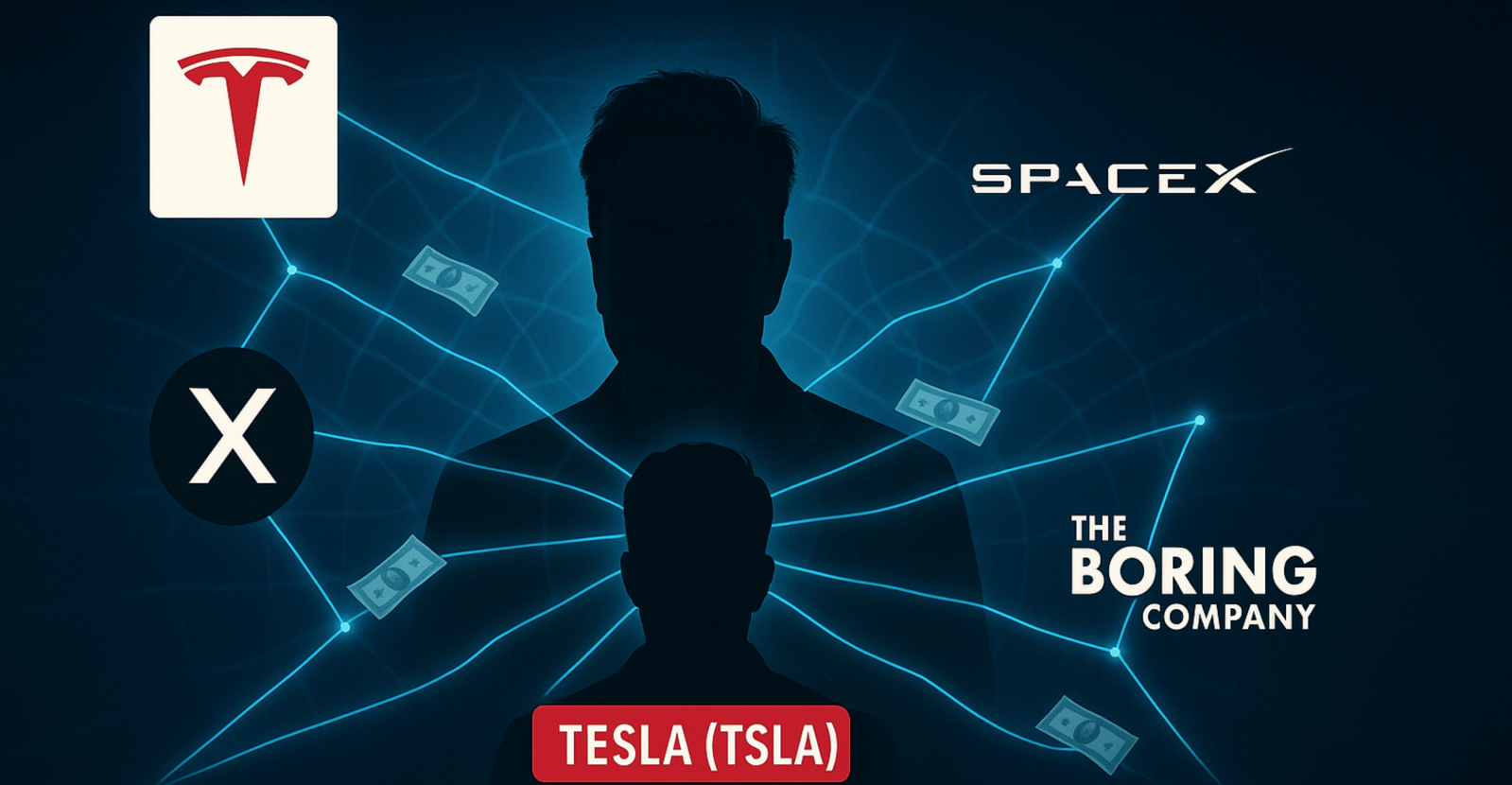
Elon Musk's corporate empire is known for its ambitious ventures, but a recent amended filing by Tesla (TSLA) with the SEC reveals the staggering financial ties between his companies. The 10-K/A report, submitted on April 30, details $573 million in revenue flowing from Tesla to SpaceX and xAI alone, along with millions in expenses directed to X (formerly Twitter), The Boring Company, and Musk's personal security firm. This unprecedented disclosure offers a clear view of how Musk's businesses trade with each other, raising questions about governance and potential conflicts of interest. Below, we break down the key findings in a Q&A format.
What does the $573 million figure represent in Tesla's filing?
The $573 million is a comprehensive tally of transactions between Tesla and several companies controlled by Elon Musk. According to the amended 10-K/A, this amount primarily comes from revenue generated by Tesla through dealings with SpaceX and xAI, Musk's artificial intelligence startup. For instance, Tesla supplies batteries and other components to SpaceX for its spacecraft and satellites, while xAI has purchased computing resources and data from Tesla. The figure also includes payments made by Tesla to other Musk-owned entities, such as lease costs for using buildings owned by The Boring Company and advertising services purchased from X. This sum highlights the deep financial integration within Musk's business network.
Which specific companies are involved in these transactions?
The filing identifies several key players: SpaceX and xAI are the largest sources of revenue for Tesla, contributing the bulk of the $573 million. On the expense side, Tesla made payments to X (formerly Twitter) for advertising and subscription services, to The Boring Company for lease agreements and tunneling services, and to a personal security firm owned by Musk for protection services. Additionally, Tesla recorded transactions with other smaller entities tied to Musk. The report provides a detailed breakdown, showing that these intercompany deals are not one-off but occur regularly, creating a complex web of financial interdependence.
Why did Tesla file an amended 10-K/A in April?
Tesla submitted the 10-K/A on April 30 as an amendment to its original annual report (10-K). The amendment was necessary to comply with SEC disclosure requirements regarding related-party transactions. The initial filing had omitted some details about transactions with Musk's other companies, which shareholders and analysts had questioned. By providing a more transparent account, Tesla aimed to address concerns over potential conflicts of interest and the opacity of Musk's corporate dealings. The amended report offers a more complete picture, though critics argue that the sheer volume of transactions still raises governance red flags.
How do these transactions affect Tesla's financials and investor perception?
From a financial standpoint, the $573 million in revenue from Musk's companies bolsters Tesla's top line, particularly in quarters where vehicle sales might be under pressure. However, the expenses paid to these entities also reduce net income, creating a mixed impact. Investors have expressed concerns about fairness and valuation, since Tesla's profits are partly dependent on dealings with companies that Musk controls. Some worry that these transactions could be structured to benefit Musk's other ventures at Tesla's expense. As a result, shareholder advocacy groups have urged for stronger independent oversight to ensure arm's-length pricing and protect minority investors.
What regulatory implications does this web of transactions have?
The disclosure has attracted attention from regulators and corporate governance experts. The SEC requires public companies to report all material related-party transactions to prevent self-dealing and ensure transparency. By filing the 10-K/A, Tesla is complying with these rules, but the scale of the dealings—$573 million—is unusual even for a closely controlled conglomerate. Analysts note that if any transaction is found to be at below-market prices, it could lead to shareholder lawsuits or SEC investigations. Additionally, the overlapping board memberships and Musk's central role in all these companies raise questions about whether independent directors can effectively review these deals.
Are there any specific examples of transactions between Tesla and SpaceX or xAI?
Yes, the filing includes notable examples. Tesla supplies SpaceX with battery packs, powertrains, and solar panels for its Dragon spacecraft and Starlink satellites. These products are often custom-engineered, with prices negotiated between the two companies. For xAI, Tesla has provided access to its supercomputer clusters and data from its fleet of vehicles for training AI models. In return, Tesla received revenue from xAI for these services. Similarly, The Boring Company has leased land from Tesla for tunneling operations, while X has received advertising payments from Tesla. These examples illustrate how Musk leverages synergies across his ventures, though critics worry about the lack of competitive bidding.