10 Crucial Insights on the First Pill That Stops COVID After Exposure
Imagine taking a single pill after being near someone with COVID-19 and never getting sick. That’s the promise of ensitrelvir, a groundbreaking antiviral that has just made history. In a recent clinical trial, this oral drug became the first of its kind to effectively reduce infection after exposure to SARS-CoV-2. If you’re curious about how it works, who can benefit, and what this means for the future of pandemic management, keep reading. Below, we break down the ten most important things you need to know about this potential game-changer.
1. What Is Ensitrelvir and Why Is It Different?
Ensitrelvir is an antiviral pill designed to block the replication of SARS-CoV-2, the virus that causes COVID-19. Unlike vaccines, which prime your immune system before exposure, or treatments like Paxlovid, which are given after symptoms appear, ensitrelvir is taken after you’ve been exposed but before symptoms start. Think of it as a fire extinguisher you can carry with you: if you’re near a fire (the virus), you can spray it immediately to stop the flames from spreading. In a landmark trial, it reduced the risk of developing symptomatic COVID by more than 60% when taken within three days of exposure. This makes it a powerful tool for post-exposure prophylaxis (PEP).
2. How the Clinical Trial Proved Its Effectiveness
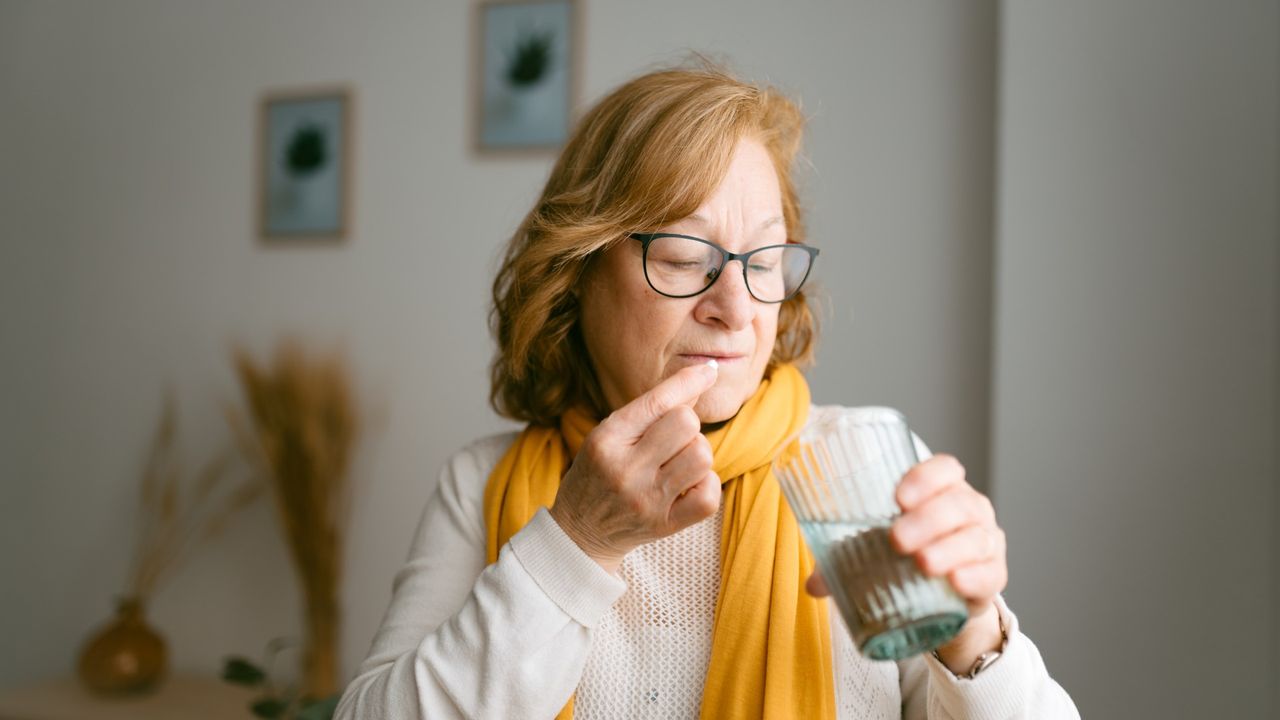
The study, published in a peer-reviewed journal, enrolled over 2,500 adults who lived with someone who tested positive for COVID-19. Participants were randomized to receive either ensitrelvir or a placebo for five days. The results were striking: among those who took the real drug, only about 10% developed symptomatic infection compared to 25% in the placebo group. That’s a relative risk reduction of roughly 60%. Importantly, the drug worked against multiple variants, including Omicron sublineages. Researchers monitored participants for side effects—mostly mild, like nausea and headache—and no serious adverse events were linked to the pill.
3. It’s the First Drug Approved for COVID PEP
While other antivirals like remdesivir and Paxlovid are approved for treating active COVID, ensitrelvir is the first to show clear benefit when given preventively after exposure. This fills a crucial gap. Vaccines remain the best protection, but they take weeks to build immunity and aren’t 100% effective—especially against new variants. For unvaccinated people or those with weakened immune systems, ensitrelvir offers a safety net. It’s already approved in Japan under the brand name Xocova, and regulators in other countries are reviewing the data. This pill could become a standard tool for households, healthcare settings, and high-risk environments.
4. How to Take Ensitrelvir: Timing and Dosage
The pill is taken orally once daily for five days. The key is timing: the trial showed maximum efficacy when started within 72 hours of exposure. The standard dose is a single tablet (125 mg) on the first day, followed by maintenance doses (but exact regimen may vary by country). It doesn’t require a booster or additional medications. Because it’s a standalone pill, it’s far easier to distribute and store than injections or infusions. This simplicity makes it ideal for mass use during outbreaks. However, it’s not a substitute for vaccination—experts emphasize it works best as a complementary measure.
5. Who Should Consider Taking This Pill?
Ensitrelvir is especially beneficial for people at high risk of severe COVID, such as the elderly, immunocompromised individuals, or those with chronic conditions like heart disease or diabetes. It’s also useful for anyone who cannot get vaccinated due to allergy or underlying health issues. In the trial, the drug was not tested in children under 12 or pregnant women, so its use in those groups requires more data. For otherwise healthy adults, the decision may depend on personal preference and the severity of the current outbreak. Healthcare workers and household contacts of positive cases are prime candidates.
6. How It Compares to Vaccines and Other Treatments
Vaccines work by teaching your immune system to recognize the virus, offering long-term protection. Ensitrelvir provides immediate, short-term defense after a specific exposure. Think of vaccines as a castle wall and the pill as a mobile shield you raise when danger appears. Other drugs like Paxlovid are used after symptoms start to prevent hospitalization—but they don’t stop infection altogether. Ensitrelvir’s strength is its ability to prevent infection entirely, which reduces transmission. In a head-to-head hypothetical, Pfizer’s Paxlovid has a similar mechanism but is not approved for PEP. Ensitrelvir fills a unique role in the COVID toolkit.

7. Side Effects and Safety Profile
Most side effects were mild and short-lived. In the trial, about 5% of participants reported nausea, 4% had diarrhea, and 3% felt dizzy. These resolved after finishing the five-day course. No severe adverse events—like liver injury or allergic reactions—were attributed to the drug. However, like all medications, ensitrelvir may interact with other drugs, so healthcare providers must review a patient’s medication list. Because it’s a new drug, long-term safety data is still being collected. So far, it appears well-tolerated, which bodes well for widespread use.
8. The Mechanism: How It Blocks the Virus
Ensitrelvir belongs to a class of drugs called protease inhibitors. It targets an enzyme (3CL protease) that the coronavirus needs to cut its proteins into functional pieces. By jamming that enzyme, the virus cannot replicate inside human cells. The drug was designed to be resilient against mutations—even as the virus evolves, the protease remains relatively stable. This explains why it worked against Omicron and other variants. Lab studies show it retains potency against new subvariants like JN.1. This mechanism is similar to that of Paxlovid, but ensitrelvir is chemically distinct and optimized for once-daily dosing.
9. Global Impact and Regulatory Status
Japan’s Ministry of Health granted emergency approval for ensitrelvir in November 2022, and it’s been used there for treatment of mild-to-moderate COVID. The new PEP data strengthens the case for broader authorization. The U.S. FDA has not yet approved it, but discussions are underway. If approved globally, ensitrelvir could reduce pressure on healthcare systems by preventing cases altogether. Especially during winter surges, a simple pill could keep people out of hospitals and schools open. It also offers a tool for low-income countries where vaccine access is limited—though pricing will be a factor.
10. What the Future Holds for Post-Exposure Prophylaxis
Ensitrelvir is just the beginning. Researchers are testing other oral antivirals for PEP, and combination therapies may emerge. The success of this trial proves it’s possible to stop COVID before it starts. In the future, we might see a “morning-after” pill for respiratory viruses. For now, ensitrelvir represents a paradigm shift: we no longer have to wait until someone is sick to act. When you learn about a friend’s positive test, you can reach for a pill—not just a mask. It empowers individuals and communities to take control. And that’s a huge step forward in our fight against pandemics.
Conclusion: Ensitrelvir isn’t just another drug—it’s a fresh approach to preventing COVID-19 after exposure. While vaccines and treatments remain vital, this pill gives us a new layer of defense, especially for those at highest risk. The next few years will determine how widely it’s adopted, but the science is clear: when the virus comes knocking, you now have one more weapon to keep the door shut.