How a Radio Telescope Tracked Artemis 2's Orion: A Guide to Lunar Mission Radar Observations
Overview
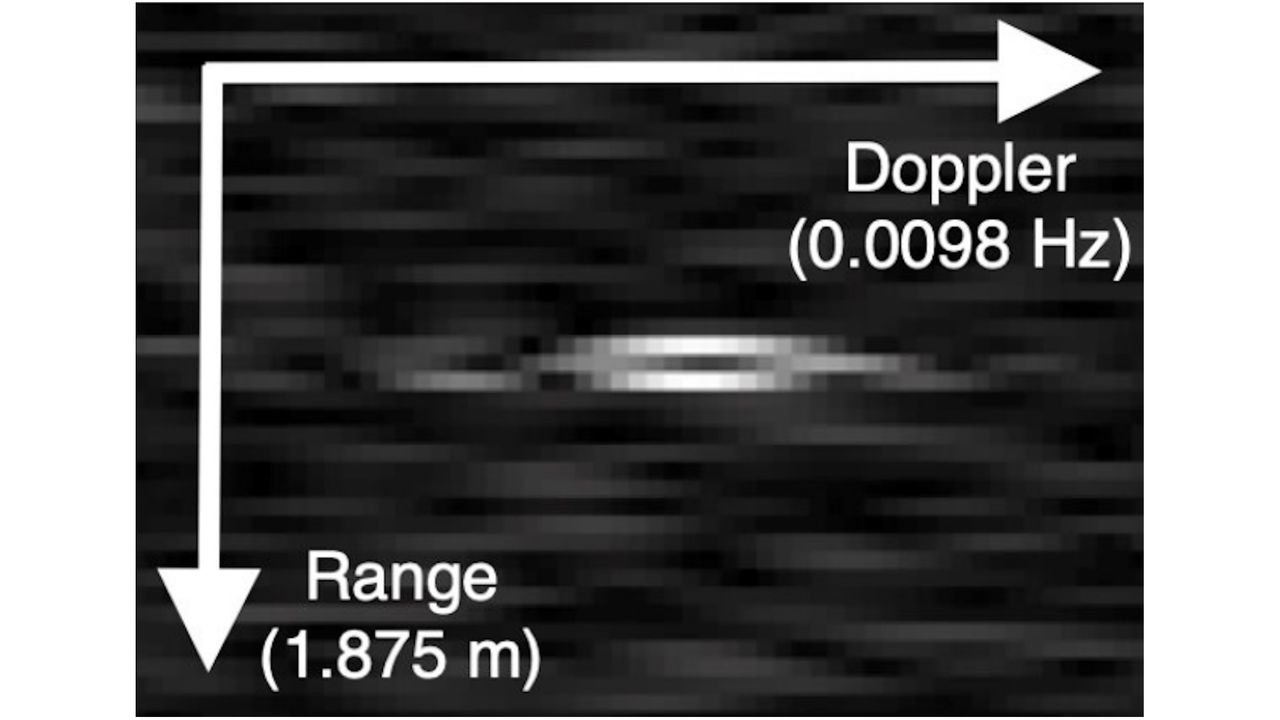
In a remarkable feat of radio astronomy, the Green Bank Telescope (GBT) in West Virginia successfully tracked NASA's Artemis 2 Orion spacecraft as it journeyed around the Moon. Over a five-day period, the giant dish gathered precise observations of the spacecraft's movement, achieving resolution so fine that mission scientists could distinguish four individual crew members within the reflected signal. This tutorial guides you through the principles, setup, and execution of such a radar observation, from telescope specifications to data interpretation. Whether you're a budding astronomer, an aerospace engineer, or simply curious about how Earth-based instruments support lunar missions, this guide provides a step‑by‑step walkthrough of the process.
Prerequisites
Equipment and Facilities
- A large single‑dish radio telescope with a diameter of at least 50 meters (e.g., Green Bank Telescope at 100 m).
- A high‑power transmitter capable of sending a continuous wave or pulses in the S‑band (2–4 GHz) or X‑band (8–12 GHz).
- Low‑noise receivers and cryogenic amplifiers to detect weak reflected signals.
- Precision pointing and tracking hardware to follow fast‑moving targets like a spacecraft in lunar orbit.
Software and Skills
- Radar signal processing software (e.g., Python with libraries like NumPy, SciPy, and GNU Radio).
- Familiarity with orbital mechanics to predict the spacecraft's ephemeris.
- Understanding of Doppler shift, range compression, and synthetic aperture processing (if applicable).
- Basic knowledge of antenna beam patterns and calibration techniques.
Mission Data
- Precise orbital elements of the target spacecraft (e.g., from NASA’s Navigation and Ancillary Information Facility, NAIF).
- Time windows when the target is above the telescope’s horizon and within line‑of‑sight.
Step‑by‑Step Instructions
Step 1: Predict the Target’s Position and Velocity
Obtain the latest ephemeris for Artemis 2’s Orion spacecraft. Use tools like JPL Horizons or NASA’s SPICE system to compute the spacecraft’s position and velocity vector at one‑minute intervals during the observation window. This data is crucial for pointing the telescope and calculating expected Doppler shifts.
Step 2: Configure the Radar System
Set up the GBT (or your facility) for monostatic radar operations – the same dish transmits and receives. Choose a carrier frequency that minimizes atmospheric attenuation and is free of interference (e.g., 8.4 GHz in the X‑band for deep space). Adjust the transmitter power to achieve a sufficient signal‑to‑noise ratio (SNR) without saturating the receiver. Typical pulse length: 1 ms, repeating every 10 ms.
Step 3: Calibrate the System
Before the track, point the telescope at a known calibration source such as a quiet portion of the Moon or a bright quasar. Measure the system temperature and antenna gain. Perform a round‑trip delay calibration using a simulated echo from a known range to verify timing accuracy.
Step 4: Acquire and Track the Spacecraft
At the predicted rise time, begin slewing the dish toward the target. Use closed‑loop tracking with an error signal derived from the received signal strength or, for greater precision, from a monopulse feed. Adjust telescope rates to stay within the beam’s half‑power width (approximately 40 arcseconds at 8.4 GHz for the GBT). Monitor the real‑time Doppler shift to confirm lock.
Step 5: Transmit and Receive Radar Pulses
Once locked, begin transmitting pulses at the designed rate. Each pulse travels to Orion, reflects off its metallic surface (mainly the crew module and solar arrays), and returns. Record the raw intermediate frequency (IF) data using a digitizer with at least 100 MHz sampling rate. Store data in blocks corresponding to each pulse repetition interval.
Step 6: Process the Radar Echoes
Apply range compression via matched filtering (correlation with the transmitted pulse) to extract the round‑trip time and thus the range. Perform Doppler processing by taking Fourier transforms across pulses to measure velocity. Use pulse‑to‑pulse phase coherence for fine resolution.
Step 7: Resolve Multiple Reflectors
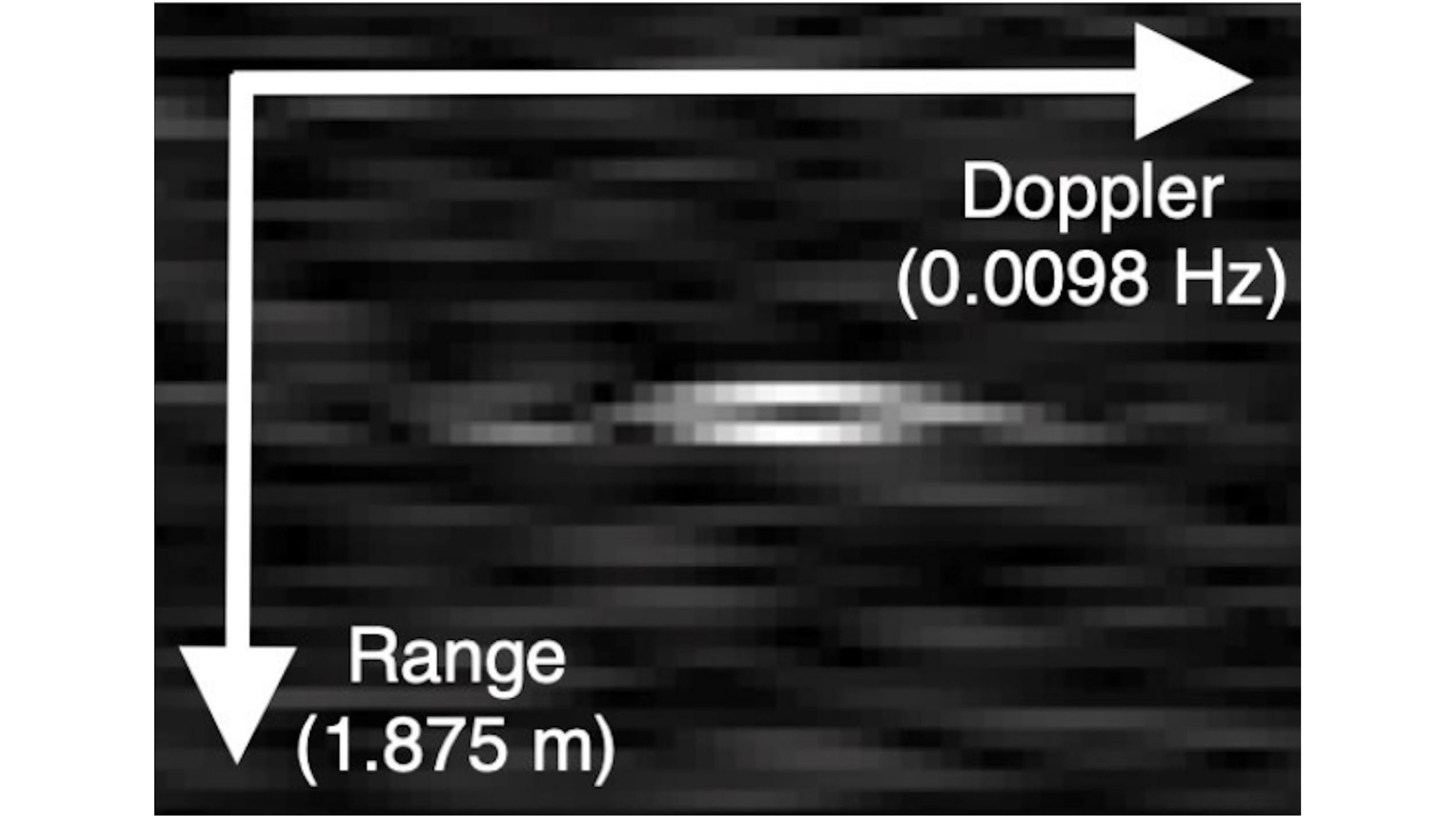
If the spacecraft has multiple distinct reflecting surfaces (e.g., four crew members inside the cabin, each moving slightly due to internal motion), you can apply high‑range‑resolution (HRR) techniques. By increasing the bandwidth (e.g., to 1 GHz), you achieve range bins as small as 15 cm. Then, inverse synthetic aperture radar (ISAR) imaging can separate scatterers with different micro‑Doppler signatures – enabling the identification of individual astronauts inside the Orion capsule.
Step 8: Validate and Analyze Results
Compare the measured range and velocity with the predicted ephemeris. Any deviations can reveal unmodeled forces (e.g., venting, solar radiation pressure). Generate a Doppler‑range map showing the four distinct signatures – the project scientist will exclaim, “There are 4 people in those pixels!” – confirming the crew’s presence and location.
Common Mistakes and How to Avoid Them
Incorrect Ephemeris
Using outdated or low‑precision time frames results in completely missing the target. Always refresh orbital elements within 24 hours of observation and validate against a two‑line element set (TLE) if available.
Receiver Overload
Transmitting too close to the receiver’s saturation limit can damage components or cause non‑linear distortions. Keep the transmit power below the 1‑dB compression point and use protection switches for the low‑noise amplifier.
Poor Atmospheric Calibration
Water vapor and oxygen at low elevation angles introduce range errors up to several meters. Use a water‑vapor radiometer and a GPS‑based delay model to correct for atmospheric refraction.
Neglecting Micro‑Doppler Clutter
The spacecraft’s own rotation and antenna articulation smear Doppler signatures. To avoid this, apply motion compensation using the predicted rotation rate, and if needed, manually stabilize the ISAR image using prominent scatterers.
Summary
Tracking a crewed lunar spacecraft with a giant radio telescope like the Green Bank Telescope requires careful planning, precise instrumentation, and sophisticated signal processing. Starting with accurate ephemeris, the radar system transmits pulses and receives echoes that reveal range, velocity, and even individual crew members through high‑resolution imaging. By avoiding common pitfalls – stale ephemeris, receiver saturation, and atmospheric errors – you can replicate the achievement of the GBT team: turning tiny radar pixels into a clear picture of four humans orbiting the Moon. This technique not only supports mission safety but also pushes the boundaries of Earth‑based remote sensing.