How the Juan de Fuca Plate Is Breaking Apart Beneath the Pacific Northwest
Introduction
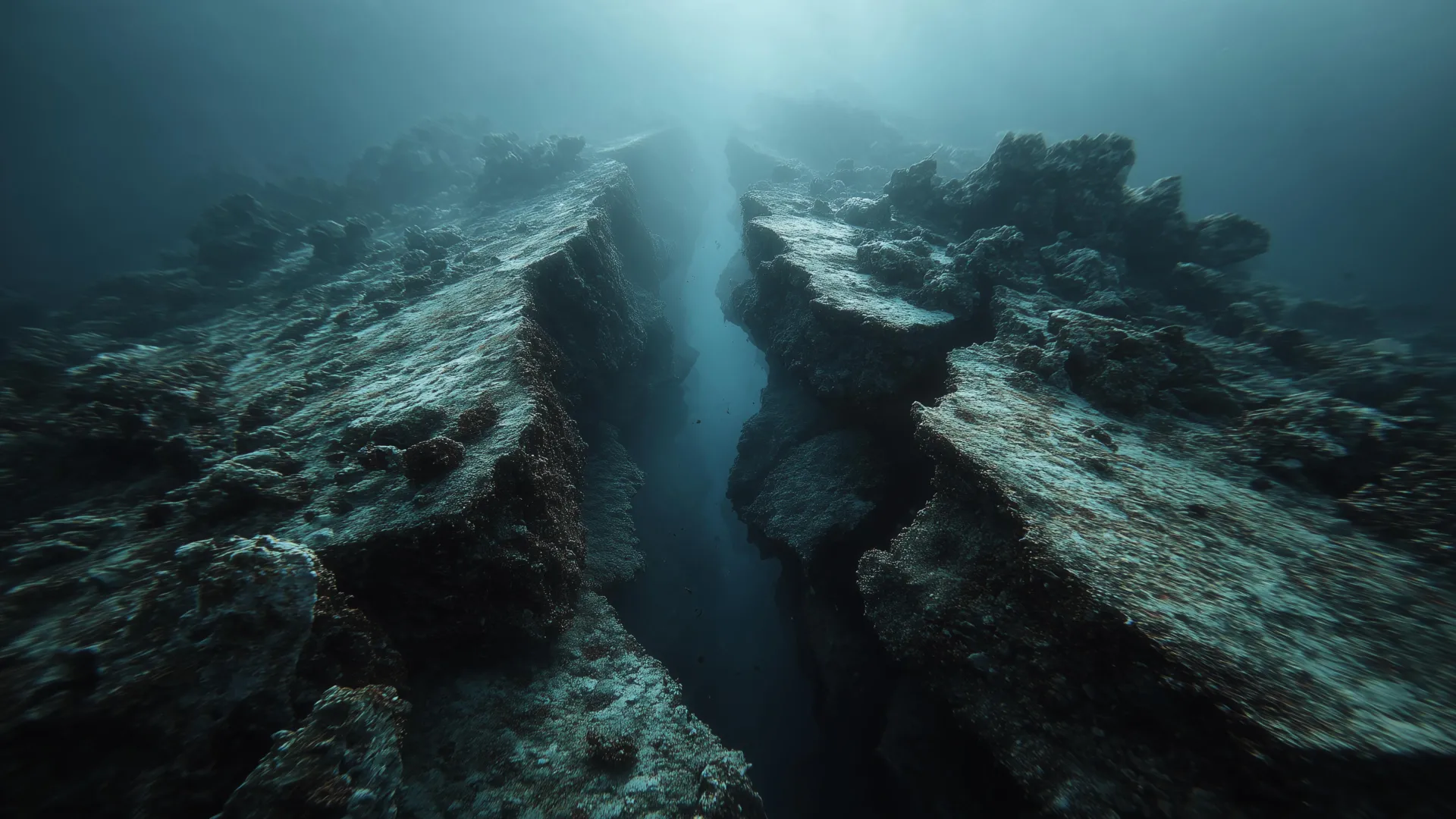
For the first time, scientists have directly observed a subduction zone coming apart at the seams deep under the ocean floor. Using advanced seismic imaging, researchers found that the Juan de Fuca plate is not sinking as a single rigid slab, but instead splitting into separate fragments as it descends beneath North America. This piece-by-piece tearing—like a train slowly derailing, not collapsing all at once—reveals a new way tectonic plates can break. The discovery explains mysterious ancient plate fragments and will refine how we predict earthquake behavior in the Pacific Northwest. This guide walks you through the steps scientists took to uncover this process and what it means for our understanding of geology and seismic hazards.
What You Need
- Advanced seismic imaging technology – Ocean-bottom seismometers and airgun arrays to generate and record seismic waves through the Earth's crust.
- Subduction zone setting – The Cascadia subduction zone offshore of the Pacific Northwest, where the Juan de Fuca plate meets the North America plate.
- Data processing software – Tools to create 3D images from travel times and amplitudes of seismic waves.
- Geological knowledge – Understanding of plate tectonics, previous models of subduction, and known earthquake history in the region.
- Collaboration & funding – A team of geophysicists, oceanographers, and computational analysts, plus support from research institutions and agencies like NSF.
Step-by-Step Guide
Step 1: Deploy Seismic Sensors Across the Subduction Zone
Begin by positioning an array of ocean-bottom seismometers (OBS) on the seafloor covering the area where the Juan de Fuca plate subducts beneath the North America plate. Scientists typically use research vessels to drop these instruments along a grid. The OBS record vibrations from both natural earthquakes and artificial sound sources (like airgun blasts). This initial deployment must be dense enough to capture high-resolution images of the subsurface – every 10–20 kilometers apart – and remain on the seafloor for months to collect continuous data.
Step 2: Generate Seismic Waves with Controlled Sources
Using a second research vessel, tow an array of airguns that produce loud, low-frequency sound pulses every few seconds. These pulses travel through the water and into the seafloor, where they refract and reflect off different rock layers and geological structures. The timing and strength of the returning echoes are picked up by the OBS and later processed to build an image of what lies beneath. In the Cascadia margin study, over 20 million such sound pulses were recorded to create a detailed profile.
Step 3: Process and Analyze Seismic Data
Recover the OBS after the survey period and download the raw data. Use specialized software to filter noise, pick arrival times of P- and S-waves, and invert the travel times to create a 3D velocity model of the plate boundary. This model highlights variations in rock density and composition. Scientists look particularly for zones where the expected continuous slab appears broken or disconnected. In the 2023 analysis, the images clearly showed the Juan de Fuca plate torn into several large fragments, with sharp edges and gaps between them.
Step 4: Identify Tearing Patterns and Fragmentation
Examine the 3D model for linear zones of low seismic velocity (indicating fractured or fluid-rich rock) that separate high-velocity patches (intact plate). Map out the boundaries of each fragment. In this case, the tear ran parallel to the coast for hundreds of kilometers, slicing the slab into elongated pieces that are slowly separating as the plate continues to sink. Note how the fragmentation is not a single clean break but a series of propagating cracks – like a zipper opening in slow motion. This pattern explains why earlier models missed the fragmentation: older, lower-resolution imaging only showed a blurry slab.
Step 5: Correlate Fragments with Known Ancient Pieces
Compare the identified fragments with previously unexplained bodies of rock found in the deep mantle or exposed in the Coast Range. Geologists have long puzzled over isolated blocks of oceanic basalt and sediments far from the subduction trench. The new imaging suggests these are bits of the Juan de Fuca plate that tore off earlier and were transported by mantle flow. By matching their chemical signatures and ages to the imaged fragments, scientists can reconstruct a timeline of the plate's breakup over the last 10–20 million years.
Step 6: Update Earthquake Hazard Models
Feed the new structural details into computer simulations of stress accumulation and release along the Cascadia megathrust. A fragmented slab behaves differently from a rigid one: tears can concentrate stress in some areas while relaxing it in others. This means that great earthquakes (magnitude 8–9) may be more likely in certain segments of the subduction zone than previously thought, and that the rupture pattern could be more complex. Incorporate this revised understanding into seismic hazard assessments used for building codes and tsunami preparedness along the Pacific Northwest coast.
Tips for Understanding This Discovery
- Remember the 'train derailing' analogy – The plate isn't collapsing as a whole but tearing piece by piece. This gradual fragmentation is key to explaining why we don't see huge, sudden vertical slips in this zone.
- Keep an eye on future studies – Scientists plan to deploy more OBS arrays to monitor how fast the tears are propagating. This will directly tell us whether the fragmentation is accelerating or slowing, which influences earthquake timing.
- Consider the big picture – Similar fragmentation may be happening in other subduction zones worldwide, such as in Japan, Indonesia, and Chile. The techniques used here can be applied there to improve global hazard models.
- Understand the limits – Seismic imaging cannot predict exactly when a great quake will strike. It only maps the structure. But better structure maps lead to better probability estimates, which can save lives.
- Stay engaged – Follow research from the Univeristy of Oregon, University of Washington, and Woods Hole Oceanographic Institution, which led this study. Public interest helps sustain funding for these essential monitoring networks.
By following these steps—from deploying instruments to refining hazard models—you can appreciate how scientists have uncovered the hidden fragmentation of the Juan de Fuca plate. This discovery changes our view of subduction dynamics and reminds us that the Earth beneath our feet is always in motion, sometimes in surprising ways.