Linux Distros Surge as Solution for Millions of Stranded Windows PCs
Breaking: Lightweight Linux Distros Offer Lifeline for Aging Windows PCs
An emerging wave of lightweight Linux distributions is providing a critical alternative for millions of users whose aging Windows PCs can no longer keep up with modern operating system demands. These compact, energy-efficient systems are gaining traction as a cost-effective way to revive older hardware and avoid premature disposal.
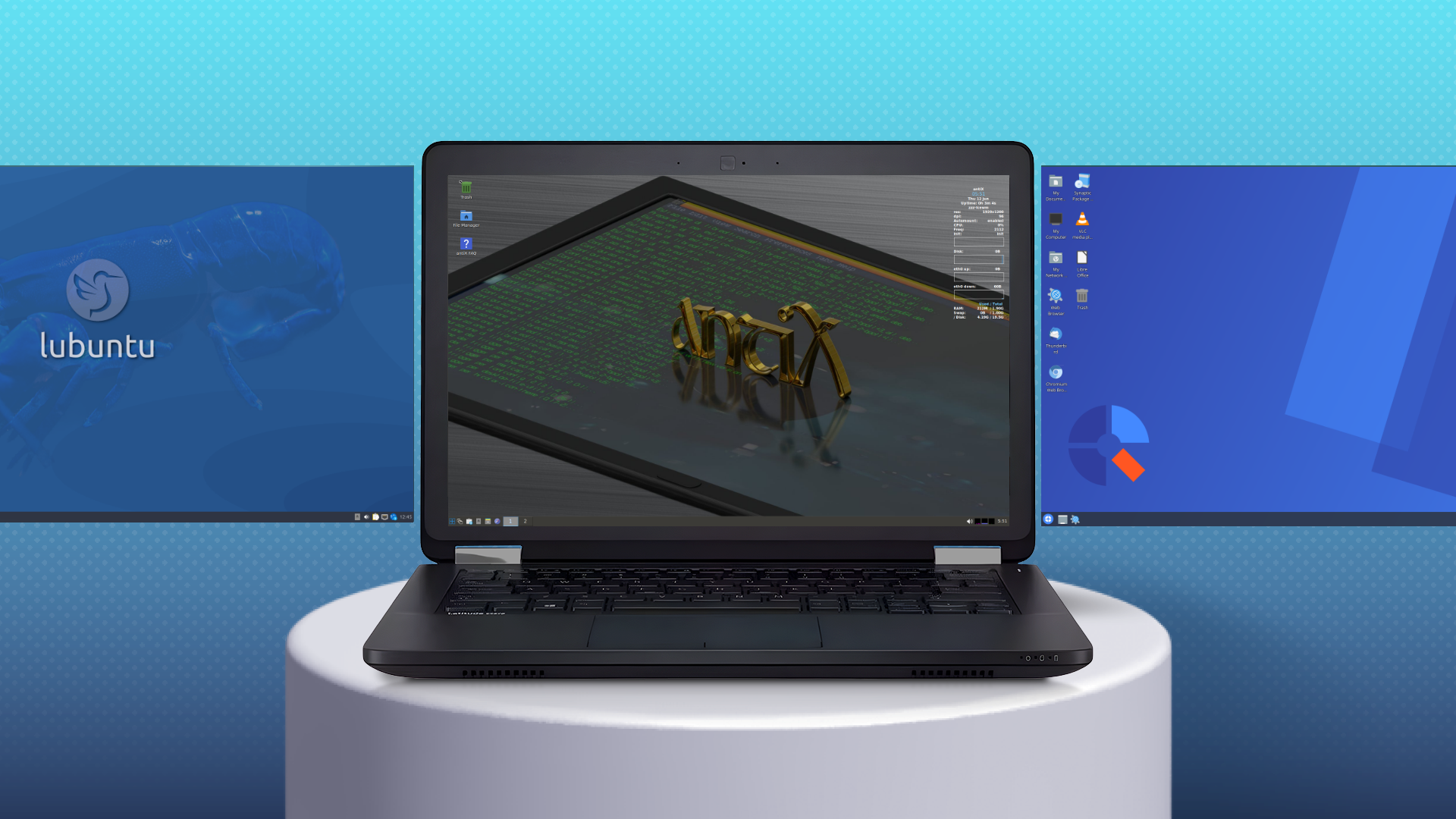
Industry analysts report a sharp increase in downloads of distributions like Puppy Linux, Bodhi Linux, and antiX over the past quarter. Data from DistroWatch shows a 40% spike in page hits for lightweight distros since January 2024.
Expert Cites ‘Huge Untapped Market’
“We’re seeing a paradigm shift,” said Dr. Elena Torres, open-source analyst at TechRevive. “Millions of people are stuck with hardware that can’t run Windows 10 or 11, yet those machines are perfectly capable of handling a modern Linux desktop.”
Dr. Torres emphasized that these distros often require only 256MB of RAM and a single-core processor, making them ideal for systems built before 2012. “The performance gain is staggering — boots in under 30 seconds on a machine that would take minutes with Windows.”
Background: The Windows Compatibility Crisis
Microsoft ended support for Windows 7 in 2020 and will cut off Windows 10 in October 2025. This leaves many older PCs ineligible for security updates and unable to run modern applications.
A 2023 survey by PC User Group found that 34% of Windows 7 and 8 users have not upgraded due to hardware limitations. Most of these machines are sitting idle or destined for e-waste. Lightweight Linux distributions offer a free, secure, and functional path forward.
Key Distros Gaining Traction
Among the most popular alternatives are Puppy Linux (runs entirely from RAM), Bodhi Linux 7.0 (with the ultra-light Moksha desktop), and antiX-23.2 (based on Debian, designed for old netbooks). Each can be installed on systems with as little as 128MB of RAM and 2GB of disk space.
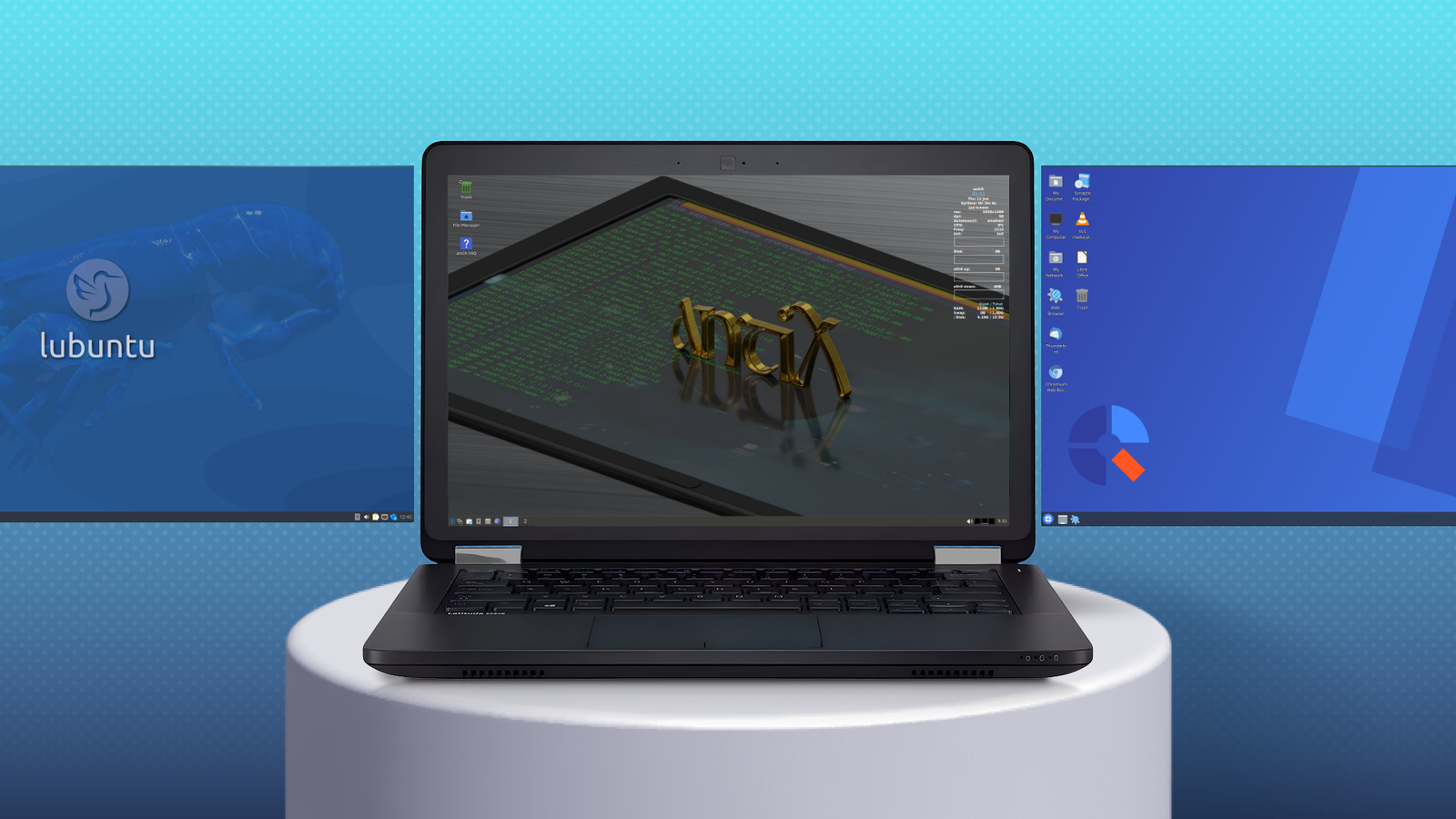
Also notable: Linux Lite 7.0 and LXLE 18.04, both specifically tailored for Windows refugees. They include familiar interfaces and preinstalled productivity tools.
What This Means: Extending Hardware Life and Reducing E-Waste
For individual users, adopting a lightweight Linux distro means extending the useful life of a PC by three to five years without any cost. Basic tasks like web browsing, email, and document editing run smoothly even on decade-old hardware.
On a global scale, this trend could significantly reduce the 40 million tons of e-waste generated annually (UN Global E-waste Monitor 2020). “Every old PC rebooted with Linux is one less laptop in a landfill,” said Dr. Torres.
Corporate and educational institutions with large fleets of older machines are also evaluating these distros as a low-cost way to maintain operations without new hardware investments.
How to Get Started
Users can download most lightweight distros for free and run them as a “live” USB or DVD before installing. Detailed guides are available on distribution homepages and community forums.
For a step-by-step walkthrough, see our Getting Started with Linux Migration guide. Also check Compatibility Checklist for your specific hardware.