Guard Your Privacy: Why You Should Block Chatbots from Training on Your Data and How to Do It
When you chat with an AI assistant, your words aren't just helping it answer you—they often become fuel for future improvements. Most chatbot providers collect your prompts and conversations to train their large language models (LLMs), exposing your personal and professional secrets. Fortunately, you can take control. This Q&A explains the risks and shows you how to opt out.
What does it mean when an AI chatbot trains on your data?
LLMs need vast amounts of text to learn patterns, facts, and language nuances. That process, called training, grinds through billions of words from websites, books, social media—and your own chats. Each prompt you type becomes a data point that the model studies to improve its answers. In essence, every conversation you have with a chatbot is a lesson for the AI, and your private details can become part of its permanent knowledge base.
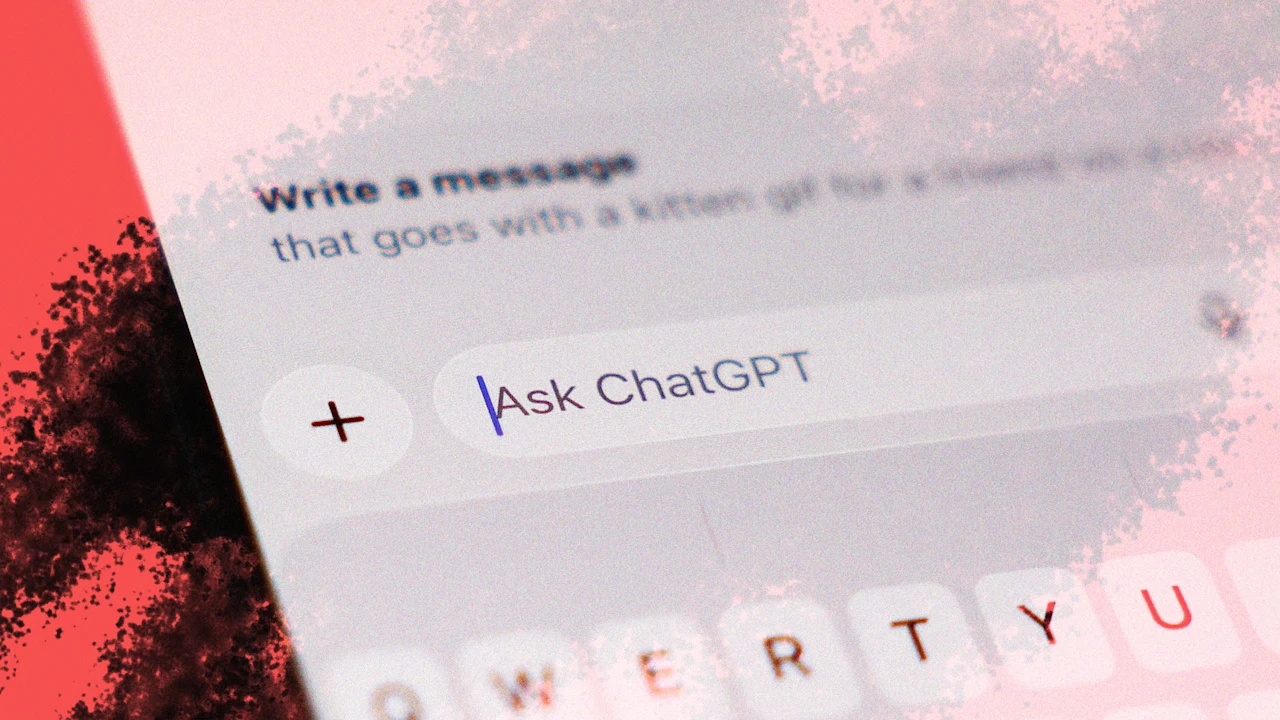
How do AI companies collect your data for training?
Companies gather training data from many sources: public websites, encyclopedias, video transcripts, and even copyrighted works (sometimes without permission). But they also pull it directly from you. Whenever you type a question or command into a chatbot, that text is typically logged and used to refine the model. The companies often claim they anonymize this data, but you have to trust that they do—and that the anonymization can't be reversed by a determined attacker.
Why is it risky to let chatbots use your personal conversations for training?
If you share deeply personal information—about your health, finances, relationships, or legal issues—those intimate details become part of the AI's training set. Even if the company says it strips identifying markers, future techniques might link the data back to you. A malicious actor could potentially reconstruct your identity from enough anonymous snippets. Moreover, the data may be stored indefinitely, amplifying the long-term privacy risk.
Can your employer's confidential information be exposed through chatbot use?
Absolutely. When you feed a chatbot proprietary code, client lists, sales figures, or internal strategy documents, that information is used for training and remains in the model. This could violate your employer's confidentiality agreements, expose trade secrets, or run afoul of data protection laws like GDPR. Even if you don't intend to share secrets, the chatbot may extract sensitive details from your questions, putting your company at legal and competitive risk.
Is data anonymization enough to protect your privacy?
Not really. Companies like OpenAI and Google assert that they anonymize user data before feeding it into training pipelines. However, anonymization is not foolproof. Researchers have shown that “anonymized” datasets can often be re‑identified when combined with other public information. Also, you have no independent verification of the anonymization process. Trusting a company's promise doesn't eliminate the risk that your most personal thoughts could eventually be traced back to you.
How can you stop chatbots from using your data for training?
Most major AI chatbots offer an opt‑out. For ChatGPT, go to Settings > Data Controls and turn off “Improve the model for everyone.” For Google Bard/Gemini, visit the Activity settings and disable “Bard Activity.” Microsoft's Copilot (Bing Chat) lets you choose “Don't use my chat data for training” under Privacy. For Anthropic's Claude, you can request your data not be used by emailing privacy@anthropic.com. Always check the privacy settings of any new chatbot you use.
What types of sensitive information should you avoid sharing with chatbots?
As a rule, don't share anything you wouldn't want posted publicly. Avoid discussing medical conditions, financial account numbers, passwords, social security numbers, or intimate relationship details. For work, never input trade secrets, unreleased product plans, customer personal data, or legal documents. Treat every chatbot conversation as if it could be read by strangers—because, for training purposes, it essentially will be.