10 Things You Need to Know About the Book That Started a Revolution: 101 BASIC Computer Games
In the early days of personal computing, before graphical interfaces and app stores, there was a single book that introduced thousands to the magic of programming. Its name was 101 BASIC Computer Games, and it changed the course of technology history. Here are ten essential facts about this influential work.
1. It Was Born from a Magazine Founder's Vision
David H. Ahl, the book's creator, had a dream of making computing accessible to everyone. After leaving his job at DEC (Digital Equipment Corporation), he poured his savings and sweat equity into launching Creative Computing magazine in 1974. To build subscribers, he printed 8,000 copies of the first issue despite having only 600 subscribers, mailing the extras unsolicited to libraries and schools. This gamble paid off and set the stage for the book.
2. It Started as a Collection of FOCAL Programs
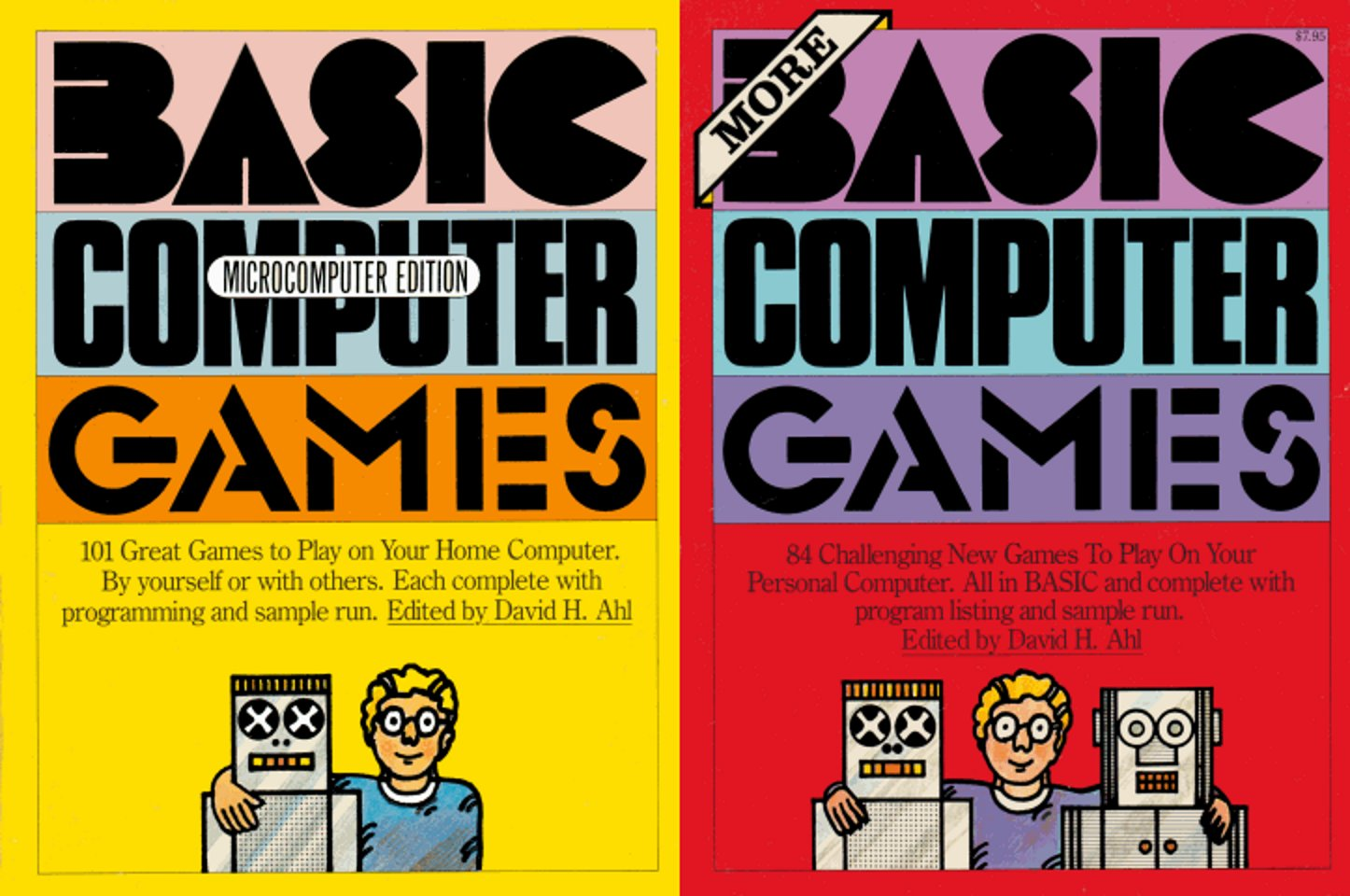
Before BASIC, the programs were written in FOCAL, a language used on DEC's PDP-8 minicomputers. Ahl translated these into BASIC in 1971, making them portable to the emerging microcomputer market. The original DEC publication in 1973 was titled 101 BASIC Computer Games, featuring type-in listings that users could manually enter into their computers.
3. Creative Computing Bought the Rights from DEC
When Ahl founded Creative Computing in 1974, he negotiated with DEC to acquire the rights to the book. This allowed him to continue selling and updating the collection independently. The magazine itself became a hub for hobbyists and educators, publishing a wealth of programs and tutorials.
4. It Was a “Greatest Hits” of Early Micro Gaming
The book gathered the most popular games that had appeared in Creative Computing during the 1970s. Titles like Star Trek, Lunar Lander, and Hamurabi became the first games many people ever played. Each came with full source code, inviting users to learn by typing and experimenting.
5. The Code Was Entered by Hand – No Downloads
In an era before disk drives and the internet, users had to type every line of BASIC code from the book into their computers. A single typo could crash the program, so patience and precision were essential. For many, this tedious process was a rite of passage that taught debugging skills.
6. It Coincided with the Release of the “Trinity” of Home Computers
In 1977, three affordable microcomputers – the Apple II, Commodore PET, and TRS-80 – launched, all with built-in BASIC. Suddenly, millions of people could run the programs from Ahl's book. This perfect timing cemented the book's status as the definitive guide for the first generation of home programmers.
7. It Wasn't Just for Games – It Taught Programming Logic
Beyond entertainment, the book served as an informal textbook. By copying and modifying the code, readers learned variables, loops, conditionals, and algorithms. Many early programmers, including future tech leaders, credit this book with sparking their interest in computer science.
8. It Went Through Multiple Editions and Expansions
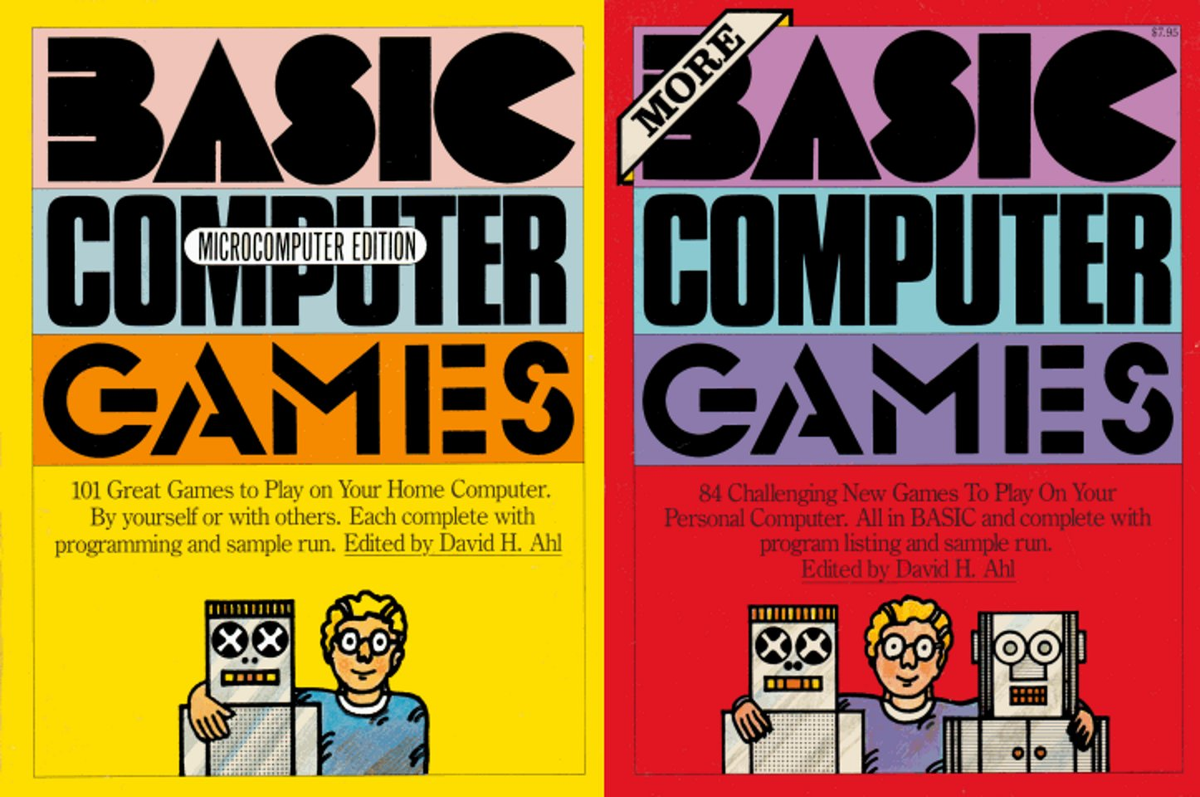
After the initial 1973 release, several revised editions followed. The most famous was BASIC Computer Games (1978), published by Creative Computing Press. Later editions included More BASIC Computer Games and Big Computer Games, expanding the library and adding graphics and sound for newer machines.
9. Its Impact Rivaled That of Early Operating Systems
While operating systems like CP/M and MS-DOS defined the platform, this book defined the experience. It was the first mass-market programming resource, selling hundreds of thousands of copies worldwide. For many, it was the only software they owned – and it taught them how to create their own.
10. The Book’s Legacy Lives On in Open Source and Retro Computing
Today, the spirit of 101 BASIC Computer Games continues in open-source movements, coding bootcamps, and retro computing communities. Emulators and online archives preserve the original code. The book’s philosophy – that anyone can learn to program by doing – remains a cornerstone of modern computer education.
From a basement full of magazines to a revolution in personal computing, David Ahl's decision to publish that first collection changed everything. 101 BASIC Computer Games wasn't just a book; it was a launchpad for a generation of coders. Whether you typed in Super Star Trek line by line or simply marvel at the history, its influence is undeniable.