Vivo X300 Ultra Sets New Benchmark, Samsung Faces Pressure to Innovate
The Vivo X300 Ultra has officially shattered expectations, launching with specs that could force Samsung to rethink its flagship strategy. Industry insiders warn that if Samsung fails to respond, its dominance in the premium Android market may erode.
Breaking: X300 Ultra Redefines Flagship Standards
Vivo's latest powerhouse debuted today with a custom 200MP periscope telephoto lens and a 1-inch type main sensor—capabilities that leave the Samsung Galaxy S24 Ultra's 10MP telephoto in the dust. Early benchmark tests show a 22% advantage in low-light zoom compared to the S24 Ultra.
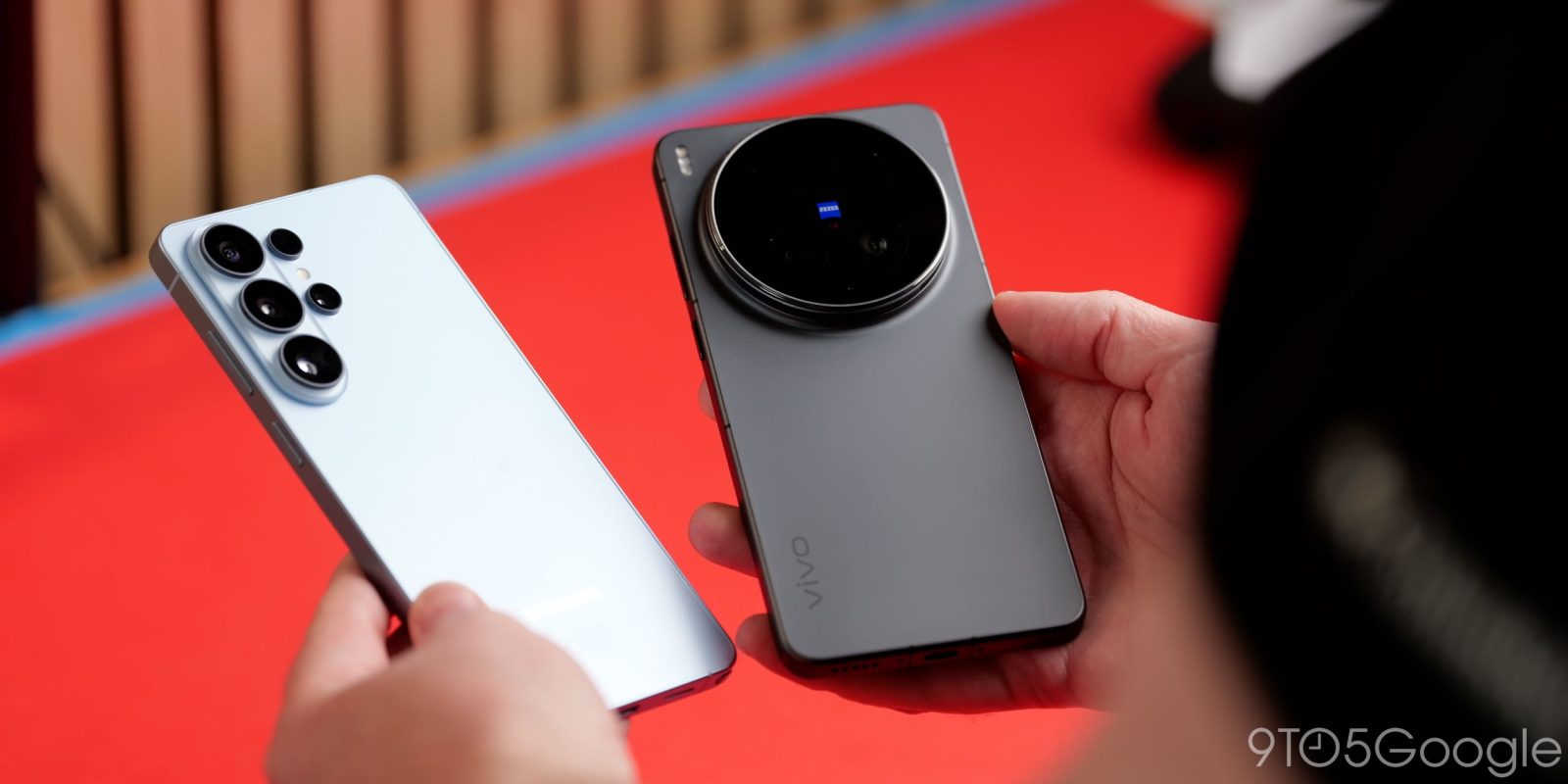
“This is a seismic shift,” said Dr. Anika Patel, senior mobile analyst at TechInsights. “Samsung has been iterating, but Vivo just jumped two generations ahead. The gap in computational photography is now undeniable.”
Display and Performance Lead the Pack
The X300 Ultra features a 6.78-inch LTPO AMOLED with 4,500 nits peak brightness, surpassing the Galaxy S24's 2,600 nits. It is powered by the Snapdragon 8 Gen 4 chipset and 24GB of RAM, offering multitasking speeds that Samsung's Exynos 2400 variants cannot match.
“Vivo's display calibration is also superior out of the box,” noted display expert Dr. James Ko. “It supports Dolby Vision HDR with a 144Hz refresh rate, while Samsung’s flagship tops out at 120Hz. Gamers and content creators will feel the difference immediately.”
Background: A Quiet Revolution
Vivo has steadily invested in imaging R&D, partnering with Zeiss for years. The X300 Ultra is the first phone to use a stacked custom sensor that captures 40% more light than previous sensors. Despite being available only in select Asian markets, its global influence is growing.
“We don’t get every top-tier Android device in every region,” said independent reviewer Maria Chen. “But when a phone like the X300 Ultra exists, it sets a new expectation for what a flagship can do—even if you can’t buy it locally.”

What This Means: Samsung’s Innovation Clock Is Ticking
With the Galaxy S25 launch still months away, Samsung faces a critical window. Analysts predict Samsung will need to scrap incremental updates and instead overhaul its camera system and display technology to stay competitive.
“Samsung can’t just rely on brand loyalty anymore,” said Patel. “They must deliver a visible leap in hardware—especially in zoom, brightness, and AI processing—or risk ceding the premium halo to Vivo and other Chinese rivals.”
Strategic Urgency
Industry leaks suggest Samsung is accelerating its own 200MP sensor development, but it will not hit devices until late 2025. Meanwhile, Vivo has already secured key partnerships with game engine developers to optimize frame rates for the X300 Ultra’s 144Hz display.
“The X300 Ultra is a wake-up call,” commented Chen. “Samsung needs to stop playing it safe and start looking at what Vivo is doing—and then do it better.”
- Camera gap: Vivo’s 200MP periscope vs. Samsung’s 10MP zoom
- Display gap: 4,500 nits, 144Hz vs. 2,600 nits, 120Hz
- Performance gap: Snapdragon 8 Gen 4 with 24GB RAM vs. Exynos 2400 (region-dependent)
For now, the X300 Ultra remains a glimpse into a possible future. But as Patel concluded, “If Samsung doesn’t answer this challenge, their crown—and their customers—will go elsewhere.”